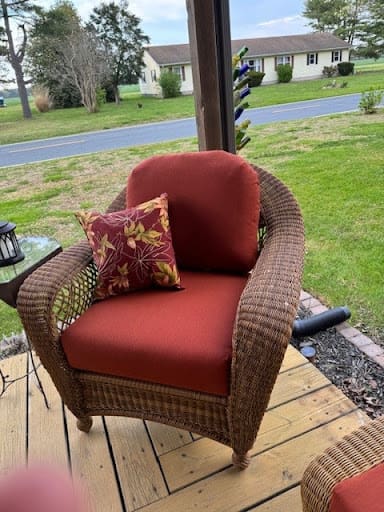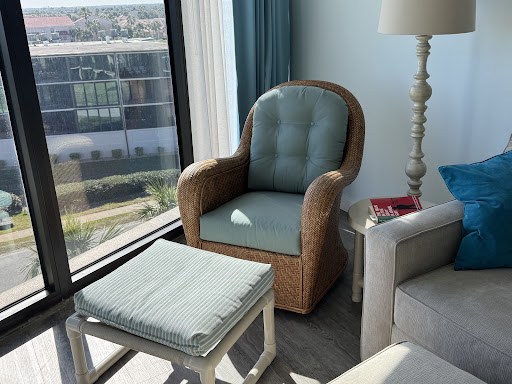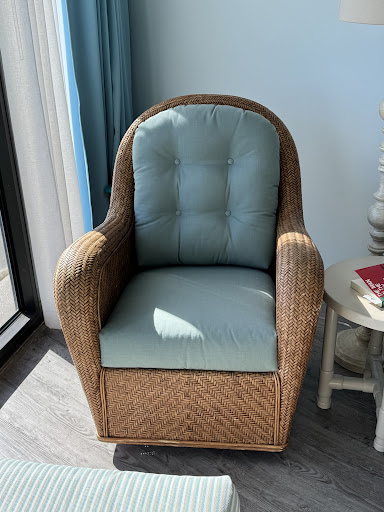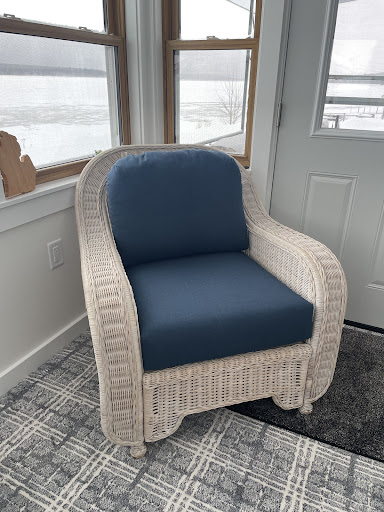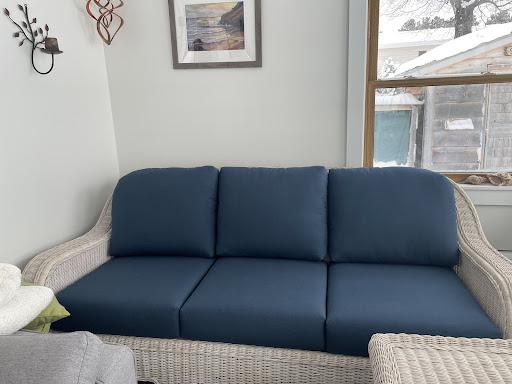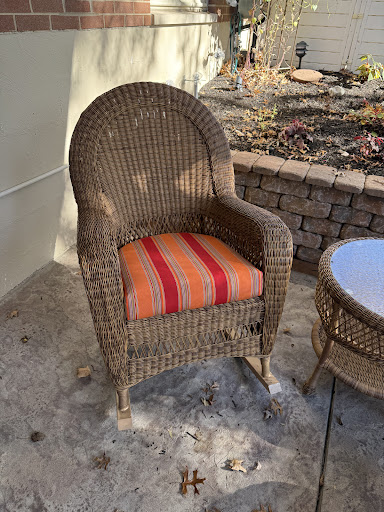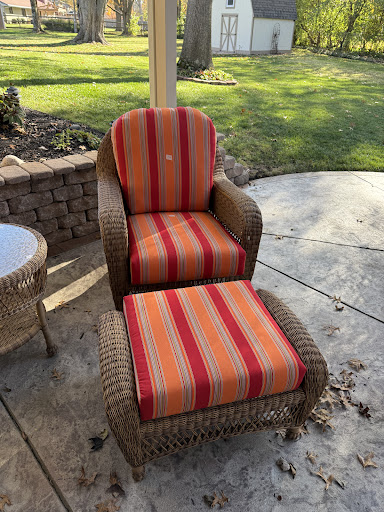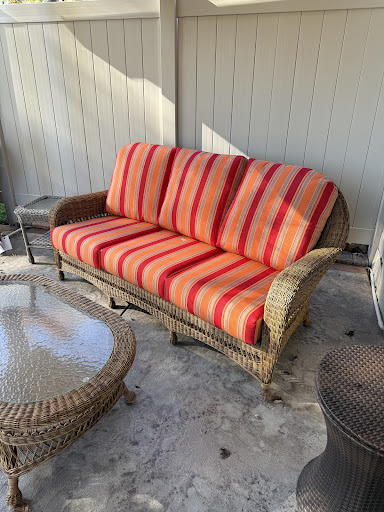



If you love a pretty patio, then you know the feeling: one warm day in spring, you open the storage bin and… ugh. A musty smell. A few mystery spots. Cushions that look a little lumpy, even after you fluff them.
These winter cushion storage tips are here to prevent that, with simple steps that protect your comfort, your style, and your investment in outdoor furniture cushions. And if your cushions are already past their prime, we’ll also show you how to tell when it’s time to replace more than just the covers.
Key Takeaways
- Clean cushions before storing so stains and grime don’t set over winter.
- Dry thoroughly; mold can begin growing on damp materials within 24 to 48 hours.
- Store cushions in a dry location. The EPA recommends keeping humidity below 60%, ideally 30% to 50%.
- Avoid tight plastic and heavy stacking, both of which can lead to mildew and misshapen foam.
- If foam is flat or uncomfortable, replacing only the cover is usually a temporary fix. Replace the foam and fabric for the best long-term results.
Why Winter Storage Matters More Than Most People Think
Winter is tough on cushions for a few reasons:
- Moisture lingers longer in cold weather, and that’s when mildew can move in.
- Temperature swings create condensation, especially in garages or sheds.
- Pests look for warm nesting spots, and cushion foam can be a target.
- Improper stacking can permanently flatten or distort cushion foam.
Here’s the part that surprises many homeowners: mold can start growing on damp items within 24 to 48 hours. That’s why the “I’ll store them tomorrow” plan can backfire fast. And if you’re discovering this advice a little too late, we have brand new, beautiful cushions in stock, just waiting to breathe new life into your patio furniture.
Winter Cushion Storage Tips: A Simple 5-Step Plan
You don’t need fancy equipment. You just need a smart routine and a little patience while things fully dry. Here is an easy, 5-step plan to protect your cushions through mild or harsh winter months.
Step 1: Clean Before You Store
Storing cushions with summer grime, sunscreen, pollen, or spilled sweet tea is like putting a stain “on pause” for a few months. It rarely improves.
- Brush off loose dirt first.
- Spot clean where needed.
- If your covers are washable, follow the care instructions for your specific fabric and construction.
Quick reminder, not all outdoor fabrics and cushion fills should be washed the same way, so always follow the proper care guidance for your cushion type. For our recommendations on cleaning your cushions, check out How to Clean Outdoor Cushions: Your Definitive Guide.
Step 2: Dry Completely, and Don’t Rush This Part
This is the big one for mildew prevention for cushions.
The EPA notes it’s important to dry water-damaged items within 24 to 48 hours to help prevent mold growth. FEMA also notes that mold colonies can begin growing on damp surfaces within that same 24 to 48-hour window.
Practical cold-weather cushion care tips:
- Stand cushions on edge so air can reach both sides.
- Use a fan in a ventilated area if the weather is damp.
- Make sure seams and piping feel dry, too. Those spots hold moisture longer.
If you’re using a storage bag or bin, nothing should feel cool or clammy before it goes in.
Step 3: Check The Foam, and Be Honest About What You Feel
This is where many homeowners waste money. They buy new covers, but keep worn-out foam.
If your cushions do any of the following, the foam is likely done:
- Poor support: if the cushion collapses when you sit, the foam has lost its structure.
- Uncomfortable: the new fabric cannot bring back the resilience that the foam no longer has.
- Misshapen: worn foam doesn’t hold clean lines, and it’s not a reliable template for a well-fitting cover.
- Reduced lifespan: recovering a cushion with bad foam is usually a short-term fix. It won’t protect your furniture as well in the long term.
Replacing both foam and fabric is often the better investment because you get comfort and shape back, not just a prettier outside.
This is also where cushion foam longevity really shows up. Thick, supportive foam stored properly can keep its shape far longer than bargain cushions that were thin from day one. Cushions By Wicker focuses on professionally manufactured replacement cushions with durable foam, performance fabrics, and machine-sewn seams, made with American craftsmanship and ethical practices you can feel good about.
Step 4: Pick the Right Storage Spot
When people ask how to store outdoor cushions, the “where” matters as much as the “how.”
Aim for a space that is:
- Dry
- Clean
- Off the ground
- Protected from big temperature swings
Humidity matters too. The EPA recommends keeping indoor relative humidity below 60%, ideally between 30% and 50%. If your garage gets damp in winter, a closet indoors or a dry basement space can be a better choice.
Step 5: Store Smart, so Cushions Keep Their Shape
This is the heart of winter storage for patio cushions, helping keep them fresh and fluffy.
Do:
- Use breathable storage bags or ventilated bins after cushions are fully dry.
- Store flat when possible, or on their sides, without bending.
- Place a clean sheet or cotton layer between stacked cushions.
- Add a couple of silica gel packs if you live in a humid area, but only after everything is dry.
Avoid:
- Vacuum-sealing anything with foam, it can compress the cushion and invite trapped moisture.
- Tight plastic wrapping, it can hold condensation against the fabric.
- Heavy stacking, which can cause permanent flattening.
This approach works well for both patio cushion storage and indoor sunroom pieces you rotate seasonally.
A Quick “Before You Close The Lid” Checklist
Before you finish, ask yourself:
- Do the cushions smell fresh, not even a little musty?
- Are seams, zippers, and piping dry to the touch?
- Is the storage space dry enough to stay under 60% humidity?
- Are cushions stored without heavy pressure or sharp bends?
If you can say yes to all four, you’re set.
Ready for Spring-You to Feel Proud of that Patio Again?
Good storage is a small winter chore that pays you back in comfort later. These winter cushion storage tips keep your outdoor cushion care simple, and your space ready for the first sunny day that feels like a gift.
And if you’re noticing sagging, lumps, or that “bottoming out” feeling, it may be time to replace more than the cover. Cushions By Wicker Imports makes American-made replacement cushions with thick, supportive foam and durable performance fabrics, so you can relax, host, and enjoy your patio without fussing over flat cushions.