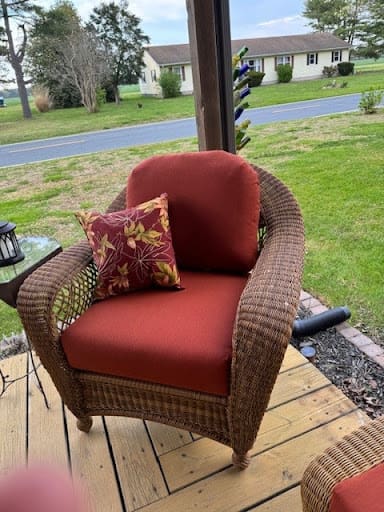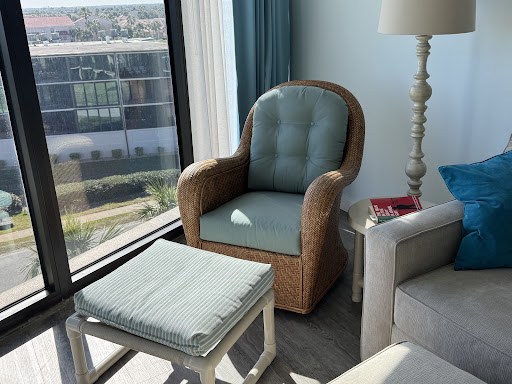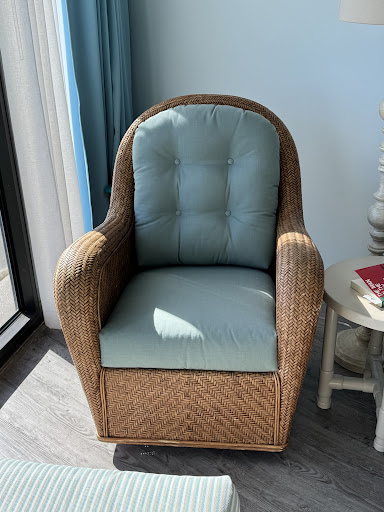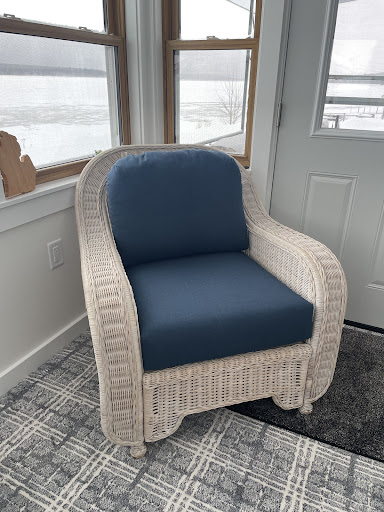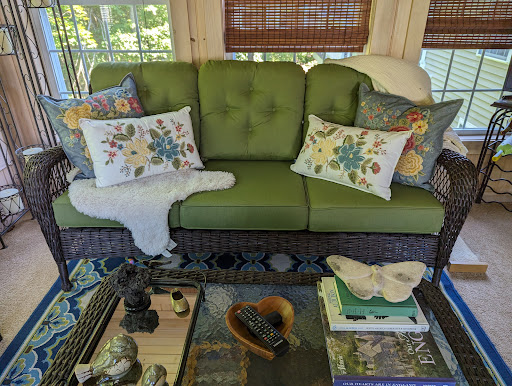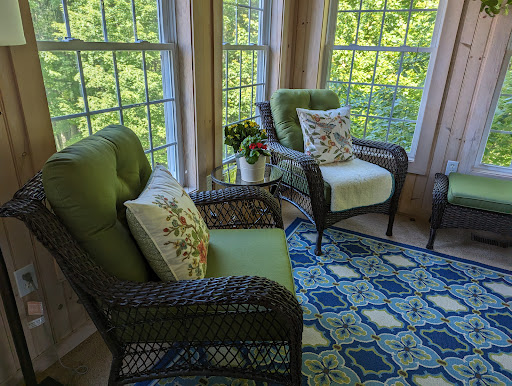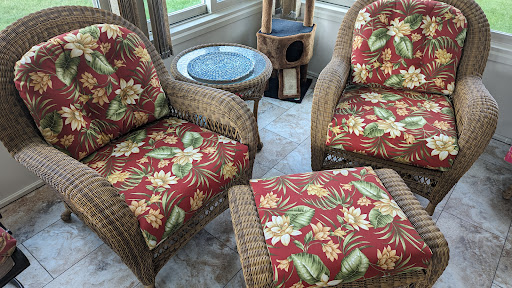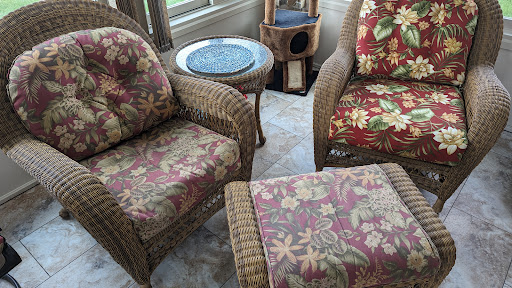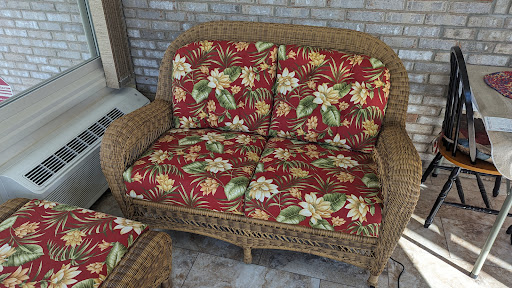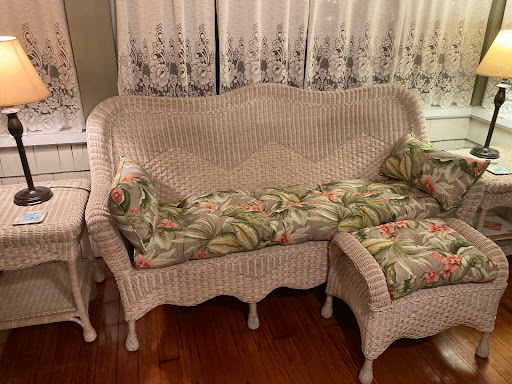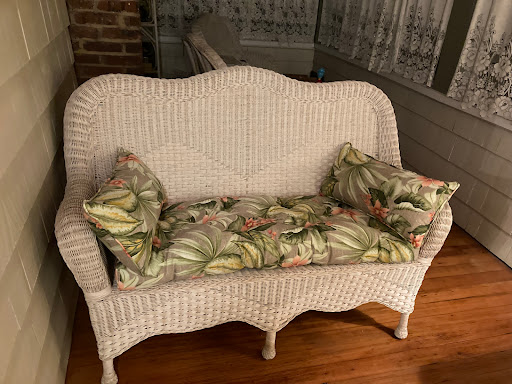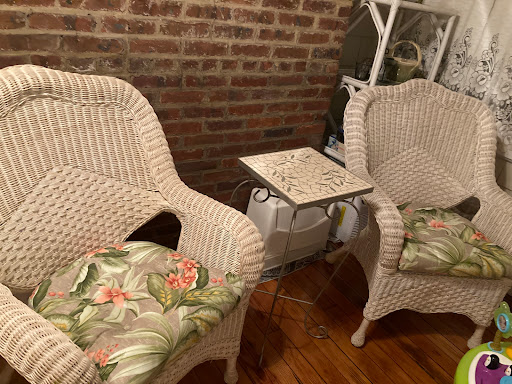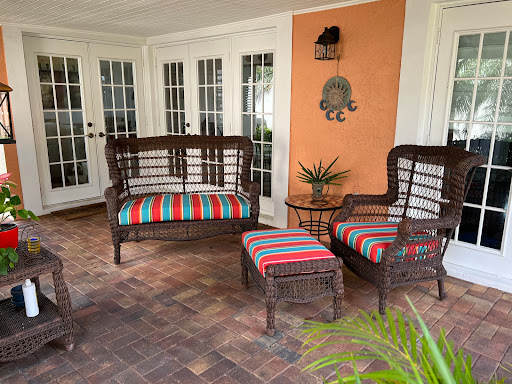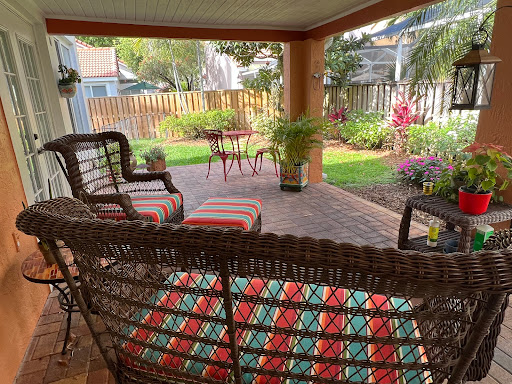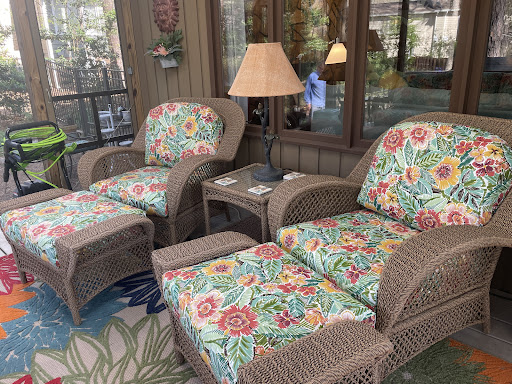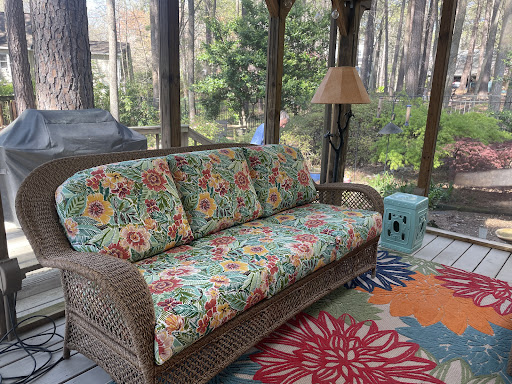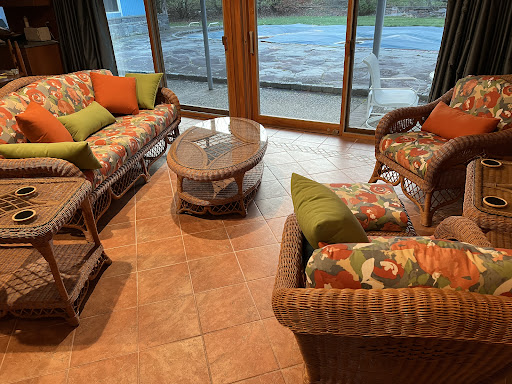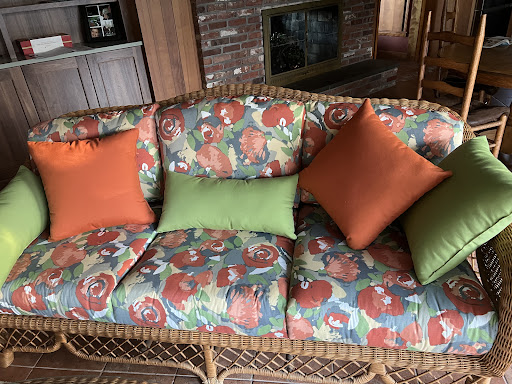
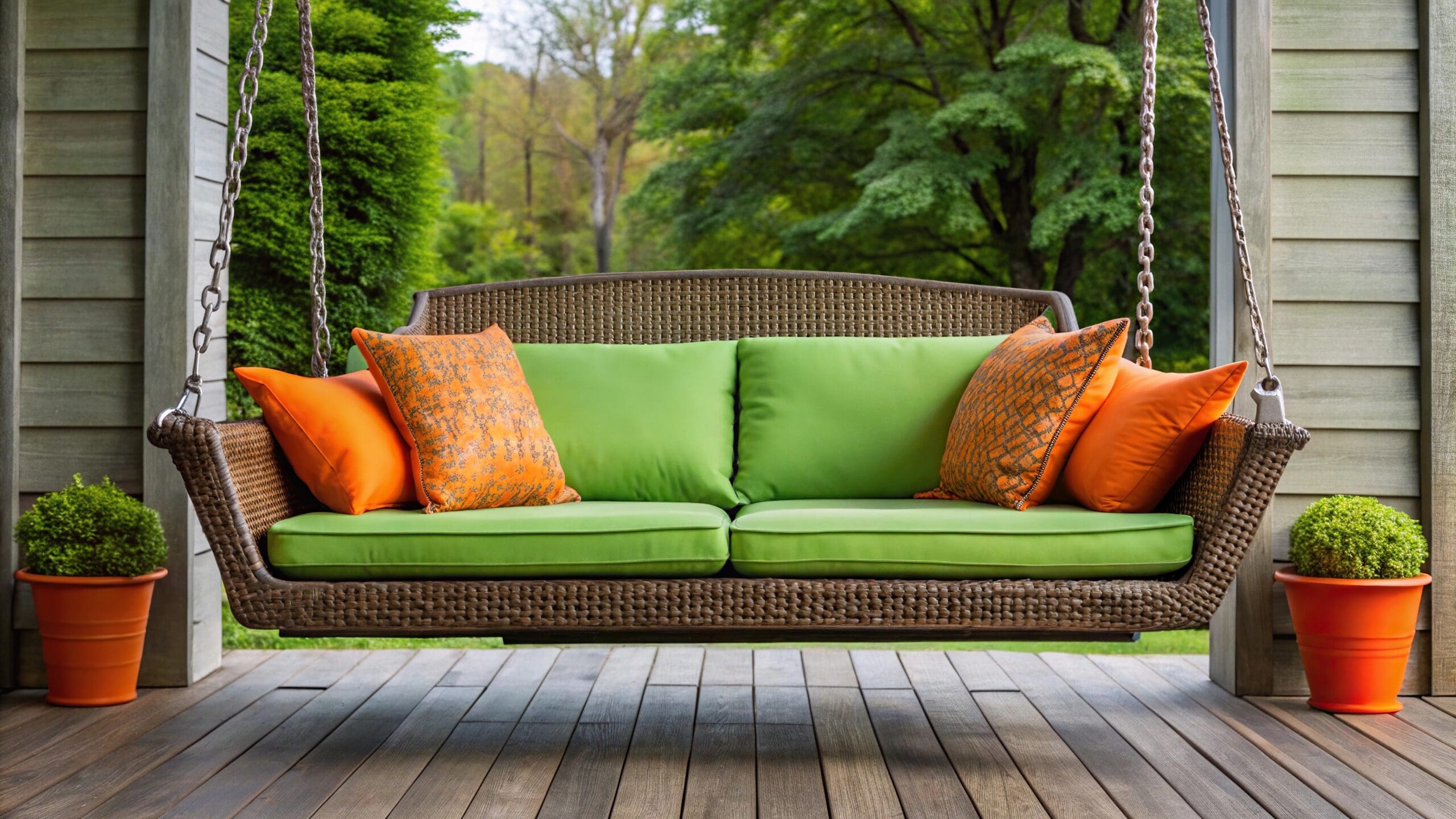


Picture this. You finally find the perfect cushions for your patio. The color is right, the size fits, and the price feels reasonable. You bring them home, set them out, and for a few weeks, everything looks great. Then summer arrives in full force. By August, the colors have started to wash out. By the following spring, the fabric feels rough and slightly off. There is a faint musty smell you cannot quite place, and the cushions have lost the shape and firmness they had when you bought them. So, you must start the search all over again.
If that cycle sounds familiar, the answer is almost never in buying more of the same, poorly made cushions. Understanding what outdoor cushion fabrics are made of, how they handle the conditions your patio throws at them, and what separates a cushion built to last from one that was never going to make it past a couple of seasons can help your search.
Key Takeaways
- Solution dyed acrylic is widely regarded as the best fabric for outdoor cushions because color is embedded in the fiber itself, not applied to the surface, which makes it far more resistant to fading over time.
- Weather resistant cushion fabric should repel moisture without trapping it inside the cushion. Breathability matters just as much as water repellency when evaluating your options.
- According to the World Health Organization, up to 80% of UV radiation reaches the ground even on overcast days, which means UV resistant outdoor fabric is essential regardless of your climate.
- The U.S. EPA notes that mold can begin developing on damp surfaces in as little as 24 to 48 hours, making mildew resistant construction a critical factor in any outdoor fabric decision.
- If the foam inside your cushions has worn out, buying new covers will not solve the problem. Replacing both the fabric and the foam is the only way to truly restore a cushion.
What Is the Outdoor Environment Actually Doing to Your Cushions?
Before you start comparing fabrics, it helps to understand exactly what your patio cushions are up against on a daily basis. In a typical summer, a cushion might absorb six to eight hours of direct sunlight, soak up humidity overnight, get rained on in the afternoon, and dry out again before dinner. That cycle repeats throughout the season, every season, and it puts stress on fabric and foam that most materials simply are not built to handle.
Indoor upholstery textiles like velvet, chenille, and wool are designed for temperature-controlled environments where moisture is never a factor. Put them outside, and they deteriorate quickly, holding moisture against the foam, breaking down under UV exposure, and developing odors and mildew well before you have gotten a full season out of them. When you are shopping for outdoor cushion fabrics, you are looking for something engineered specifically to survive that daily cycle of heat, moisture, and sun exposure without falling apart.
What Should You Actually Look for in Outdoor Cushion Fabric?
This is the question most buyers skip over, and it is the one that matters most. Not all outdoor-grade fabrics perform the same way, and the details worth paying attention to aren’t always highlighted on a product page.
- How the fabric was dyed matters more than most people realize. Many outdoor fabrics have color applied to the fiber surface, which means prolonged sun exposure gradually strips that color away. Solution dyed acrylic is different because the pigment is introduced during the fiber formation process itself. The color runs all the way through the material, so there is no surface dye to fade, chalk, or bleach out over time.
- Solution dyed acrylic performs well across the board. Beyond color retention, it is soft against bare skin, naturally mildew resistant, and durable enough to hold up under real everyday use season after season with proper maintenance. For most residential patios, it is the strongest all-around choice available.
Understanding what your fabric is made of and how it was constructed is only part of the picture. What happens to that fabric once it is sitting in full sun and open air is just as important to think through before you buy.
How Much Are Sun and Moisture Actually Damaging Your Cushions?
The World Health Organization points out that up to 80% of UV radiation reaches the ground even on cloudy days, meaning your cushions accumulate sun damage every day they sit outside, not just on bright days.
UV-resistant outdoor fabric is not a premium feature reserved for extreme climates. It is a baseline requirement for any cushion expected to hold its color and integrity through multiple seasons. When evaluating your options, look for UV resistance built into the fiber or the construction itself, rather than a surface coating that gradually wears away.
Potential moisture damage deserves just as much attention. A common instinct is to seek fully waterproof outdoor fabric, assuming that complete water resistance offers the most protection. In practice, a completely waterproof outer layer can trap moisture inside the cushion when water seeps in through seams or the underside, creating exactly the warm, wet environment where mildew takes hold. The EPA notes that mold can begin to develop on damp surfaces within just 24 to 48 hours. Quality weather-resistant cushion fabric is designed to repel surface water while still allowing the cushion to breathe and dry out naturally, and that balance is what genuinely mildew-resistant performance depends on.
Why Are So Many Buyers Tempted to Just Replace the Covers?
It feels like the practical move is just to replace the cushion covers. If a cushion looks worn but the foam still seems passable, ordering new covers and slipping them on is cheaper and faster than replacing everything. The problem is that by the time outdoor cushions look bad on the outside, the foam has usually already broken down in ways that a new cover cannot disguise.
- Poor support. If a cushion collapses when you sit on it, the foam has deteriorated past the point of recovery. New fabric cannot restore what the foam has lost.
- Persistent discomfort. Worn foam loses its resilience and will not bounce back the way it once did. The feel of a flat, tired cushion does not improve with a new cover.
- A misshapen result. Foam that has lost its original form is no longer a reliable template for cutting a properly fitted cover. The new cover will look off regardless of how good the fabric is.
- A shorter lifespan. Recovering a cushion with compromised foam is a cosmetic fix. It does not extend the life of the cushion, and the investment in new fabric ends up largely wasted.
If your cushions are sagging, flat, or no longer hold their shape, outdoor foam replacement paired with new fabric is the approach that actually addresses the problem. It restores the cushion from the inside out and gives you something that looks right, feels right, and holds up the way it should.
How Do You Know the Cushion You Are Buying Is Actually Well Made?
Even the best outdoor fabric will underperform on a poorly constructed cushion. When you are evaluating your options, pay close attention to how the cushion is put together, not just what it is made of. Machine-sewn seams deliver consistent strength and tension that hold up through seasons of regular use, unlike decorative hand stitching, which cannot reliably replicate this. UV-resistant thread ensures the stitching itself does not degrade before the surrounding fabric. Quality zippers, durable backing materials, and appropriate foam density all play a role in how a finished cushion holds up over time.
A craftsperson who takes construction seriously will be transparent about all of these details. Do not hesitate to ask. The cushions worth buying are those in which every component has been carefully selected and assembled with the same level of care as the fabric itself.
Ready to Stop Guessing and Start Buying Cushions That Actually Last?
Knowing what to look for changes the entire buying experience. You stop wasting money on cushions that were never going to survive a full season and start making decisions based on what actually matters. Cushions by Wicker Imports crafts replacement and custom outdoor cushions using professional-grade outdoor fabrics, quality foam, and machine-sewn construction, all backed by American craftsmanship and a commitment to ethical practices that carry through everything they make. When you are ready to invest in cushions built to hold up year after year, we can help.