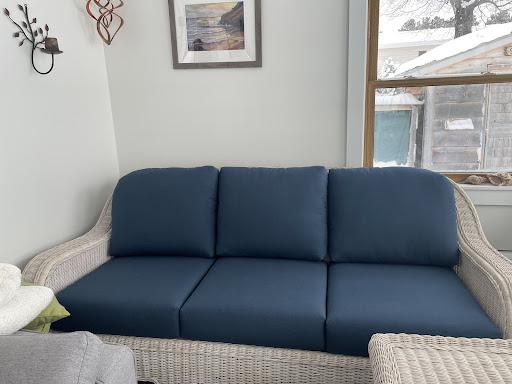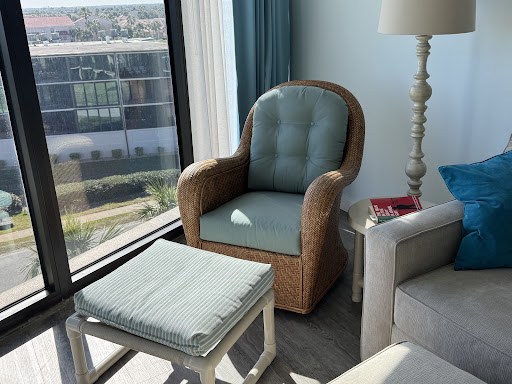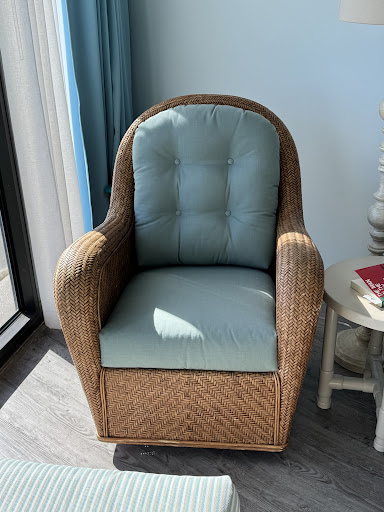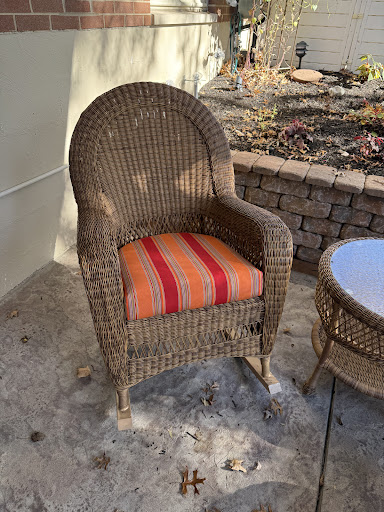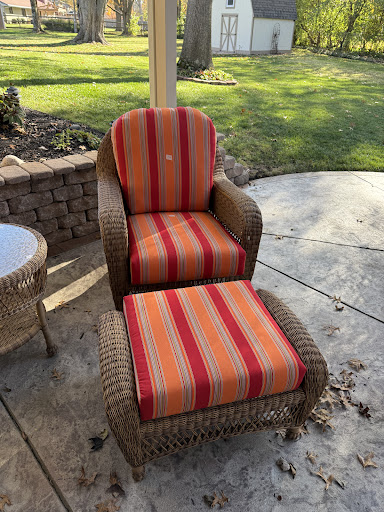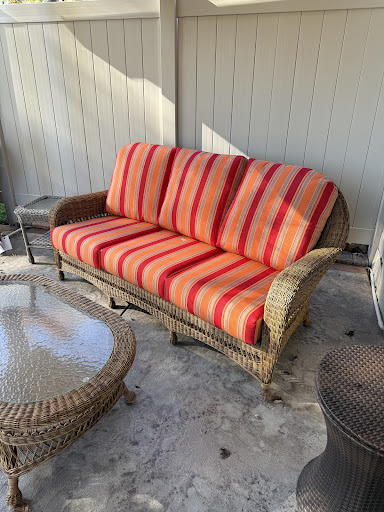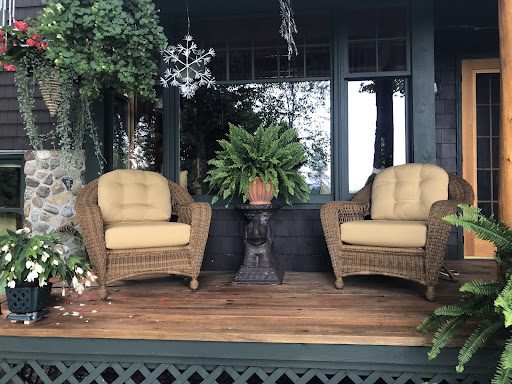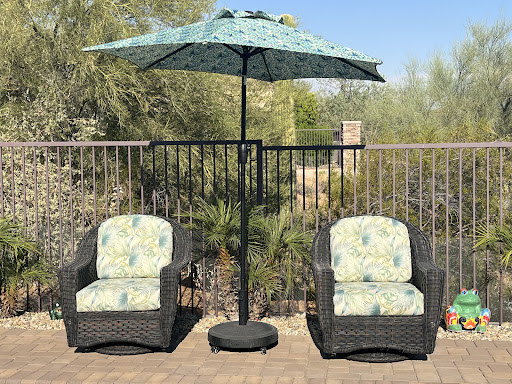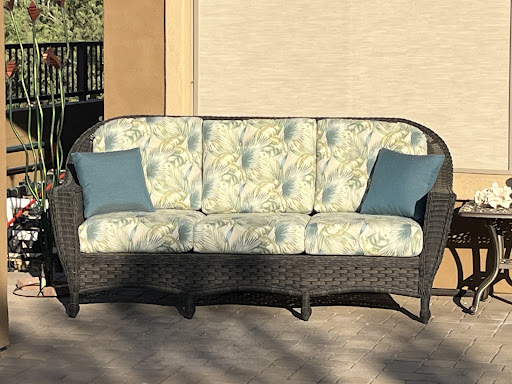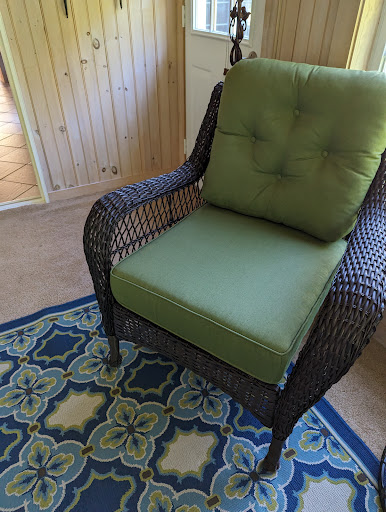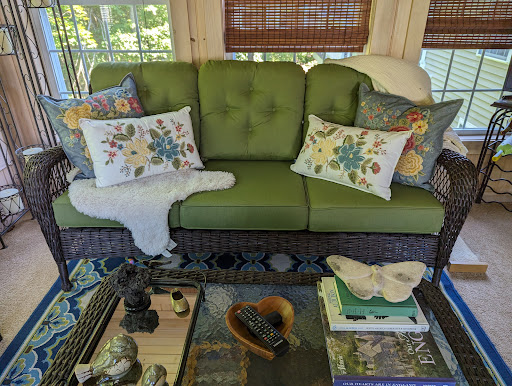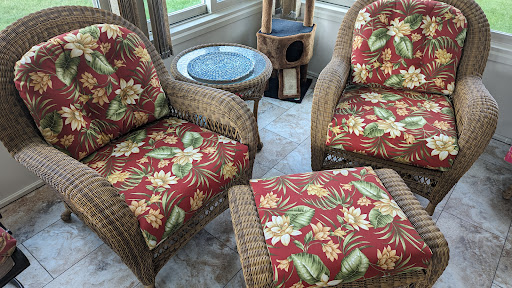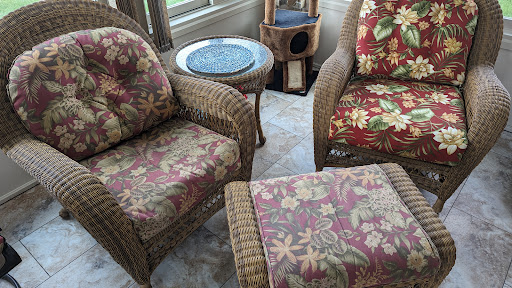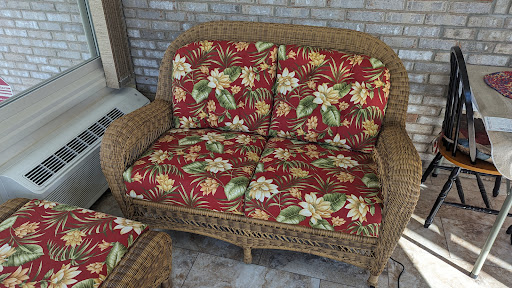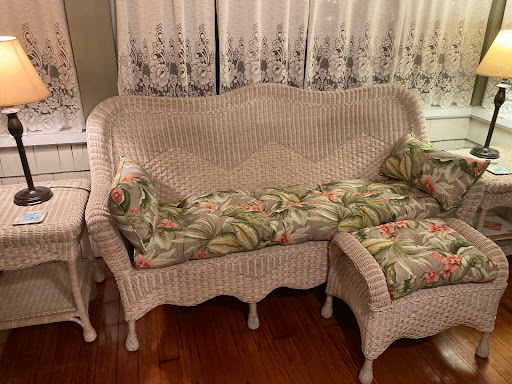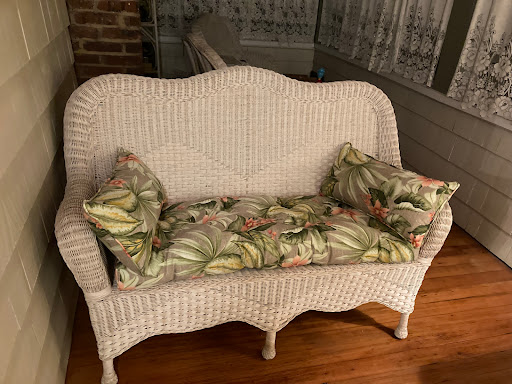


Outdoor cushions are meant to make your patio feel like an extension of your home. But between pollen, dirt, summer storms, and the occasional food spill, even the best cushions can start to look worn before their time. The good news is that following the right outdoor cushion care tips makes a noticeable difference. With a consistent routine for outdoor cushion maintenance and cleaning patio cushions, homeowners can protect comfort, preserve appearance, and extend cushion life season after season.
Key Takeaways: Outdoor Cushion Care Tips That Work
- Light cleaning every few weeks prevents dirt buildup and reduces staining
- Deep cleaning helps restore fabric’s appearance and improves cushion longevity
- Mildew prevention depends heavily on airflow, drying time, and proper storage
- Storing cushions correctly in the off-season prevents moisture damage and flattening
- When cleaning is no longer enough, professionally made replacement cushions are the best solution
Why Outdoor Cushion Maintenance Matters More Than You Think
Many homeowners ask: How often should I clean outdoor cushions? A good rule of thumb is to do quick maintenance every few weeks and deeper cleaning about once per month during peak patio season. Lifestyle and environment matter too — if your patio is under trees, near gardens, or in a high-pollen area, you may need to clean more often.
Routine outdoor furniture maintenance helps prevent:
- Embedded dirt that wears down fabric fibers
- Pollen buildup that causes discoloration over time
- Food and drink stains that become permanent
- Moisture that leads to mildew and odor
Cleaning early and often is widely recommended because it is much easier to remove fresh debris than to restore fabric after buildup occurs.
Step 1: Routine Cleaning for Outdoor Cushions (Weekly or Biweekly)
If you are wondering how to clean outdoor cushions without turning it into a full project, routine cleaning is the easiest place to start.
What to do:
- Brush off debris (leaves, dirt, crumbs, pollen)
- Vacuum seams and corners where grime collects
- Spot clean immediately after spills
Even simple steps like vacuuming help remove particles that can grind into fabric when someone sits down, which is one of the fastest ways outdoor cushions lose their “new” look.
Step 2: Deep Cleaning Patio Cushions (Monthly or As Needed)
When cushions start looking dull, feel sticky from humidity, or have visible stains, it is time for a deeper wash.
Deep-cleaning method:
- Mix warm water + mild soap
- Use a soft brush or cloth to scrub gently
- Rinse thoroughly with clean water
- Air dry completely
This method aligns with mainstream patio cushion cleaning best practices.
Can Outdoor Cushions Be Machine Washed?
This depends on the cushion cover and fabric care instructions. If a cushion has removable covers, some may be washable on a gentle cycle. For many outdoor cushions, surface cleaning and controlled air drying are the safest options.
Step 3: Stain Removal Tips (Food, Grease, and Everyday Spills)
Outdoor spaces invite messes. The key is speed.
For most fresh stains:
- Blot (do not rub)
- Apply mild soap + water
- Rinse and air dry
For stubborn spots, a baking soda paste can help lift discoloration (spot test first). Avoid harsh cleaners that can weaken fabric or affect color.
Step 4: Mildew Prevention for Cushions (And What to Do If It Appears)
Homeowners often ask: What is the best method to remove mildew? The best answer is to prevent it in the first place. Mildew forms when cushions stay damp, especially in humid weather or shaded patios.
Mildew prevention habits that work:
- Do not leave cushions piled together after rain
- Flip cushions to allow airflow underneath
- Let cushions dry fully before putting them back into storage bins
If mildew appears, a vinegar-water solution is commonly recommended for treating affected areas, followed by full drying in sunlight.
Step 5: Drying Outdoor Cushions the Right Way (This Matters More Than Soap)
One of the most overlooked parts of outdoor cushion maintenance is drying.
If cushions are not dried completely:
- Seams can hold moisture
- Mildew risk increases dramatically
- Cushions can develop long-term odor
Best practice:
Air dry cushions in sunlight and rotate them so both sides dry evenly. This is consistently emphasized in outdoor cushion care guidance.
Seasonal Storage Tips That Protect Cushion Longevity
If you want maximum cushion longevity, off-season storage is not optional.
Before storing:
- Deep clean and fully dry cushions
- Store in a dry, ventilated area
- Avoid airtight plastic wrapping that traps moisture
How Do I Prevent Outdoor Cushions From Fading?
UV exposure is a major cause of fading. Rotating cushions and storing them during harsh weather helps preserve fabric color. Also, high-quality performance fabrics are built to resist fading longer than lower-grade materials.
When Cleaning Is Not Enough: Knowing When to Replace Outdoor Cushions
A common question homeowner have is, “When should I replace outdoor cushions instead of cleaning?”
Cleaning works when the cushion is still structurally sound. Replacement is the better option when you notice:
- Flattening that does not rebound
- Fabric tears or seam damage
- Persistent stains that never lift
- Odor that returns after cleaning
At that point, a professionally made replacement cushion restores comfort, support, and appearance far more effectively than repeated cleaning attempts.
Why Cushions by Wicker Imports Is a Trusted Choice for Outdoor Cushions
Cleaning and maintenance can extend cushion life — but quality matters from the start. Cushions by Wicker Imports is known for our professionally manufactured, high-quality outdoor cushions made with durable materials and machine-sewn seams (not hand-stitched), ensuring consistent construction and performance.
Our cushions reflect a commitment to:
- American craftsmanship
- High-quality materials designed for outdoor use
- Ethical practices and dependable manufacturing standards
For homeowners who want outdoor cushions that look beautiful and hold up season after season, choosing American-made replacements is often the smartest long-term investment.