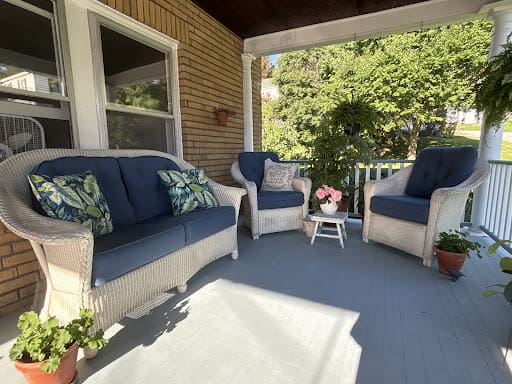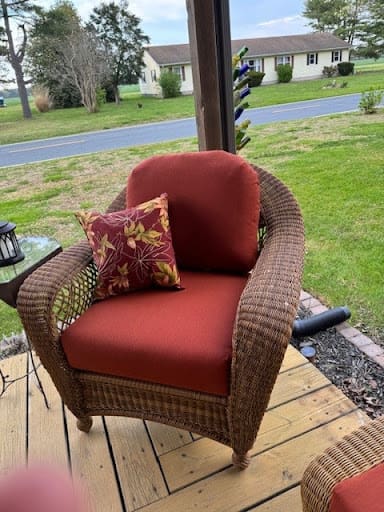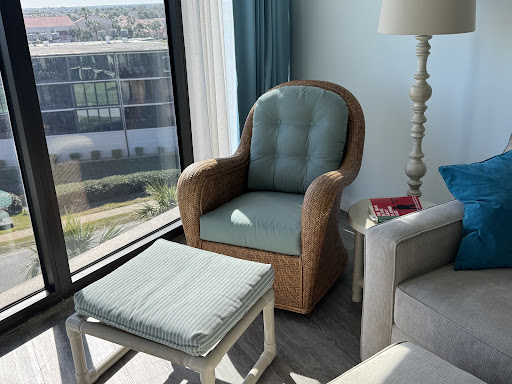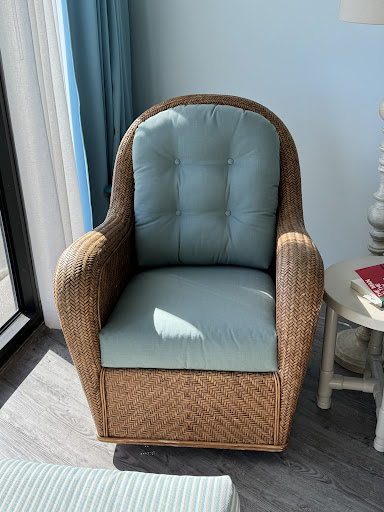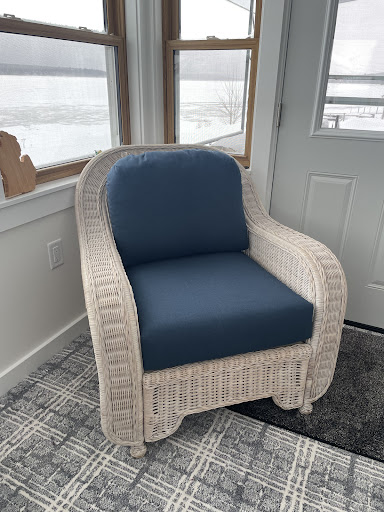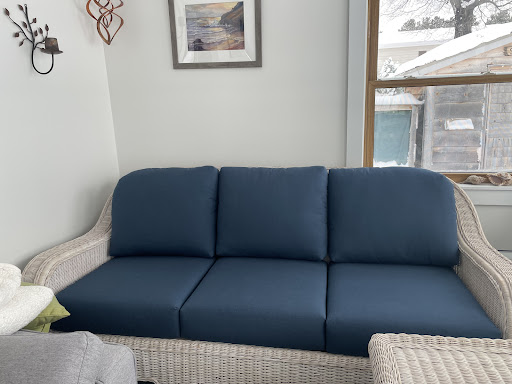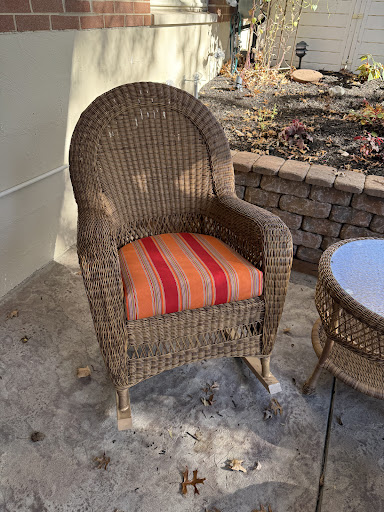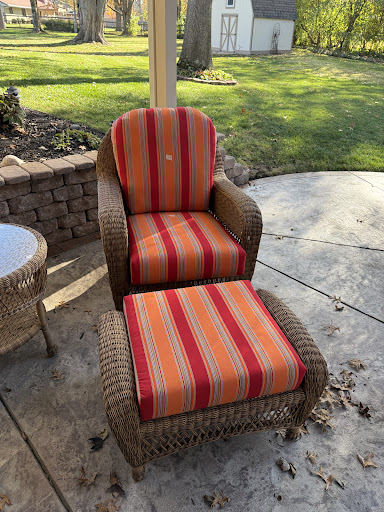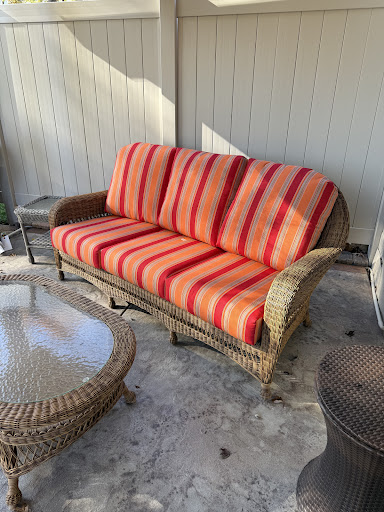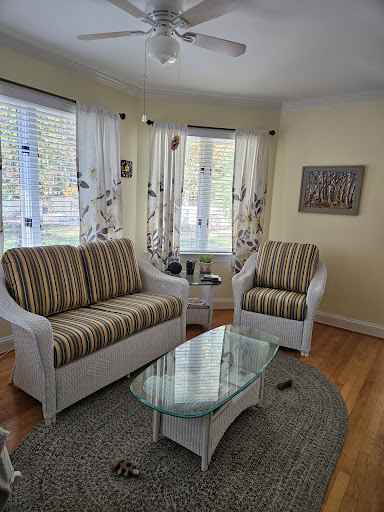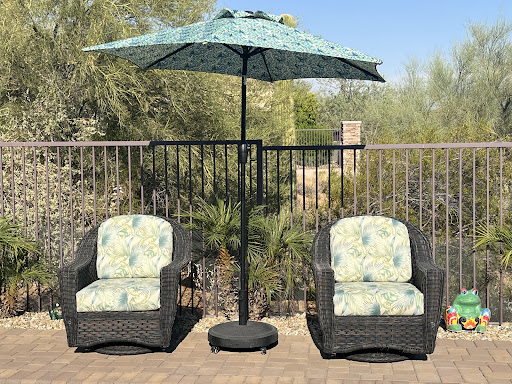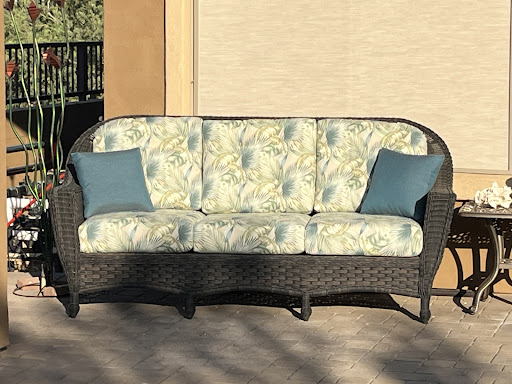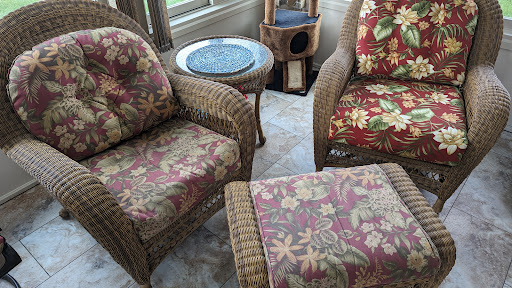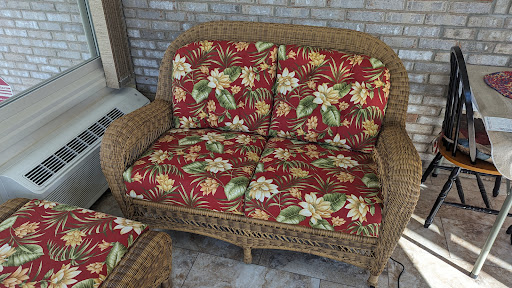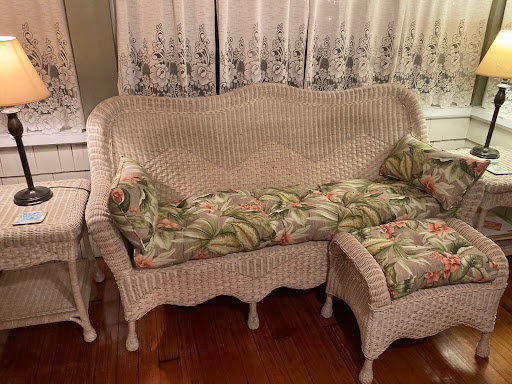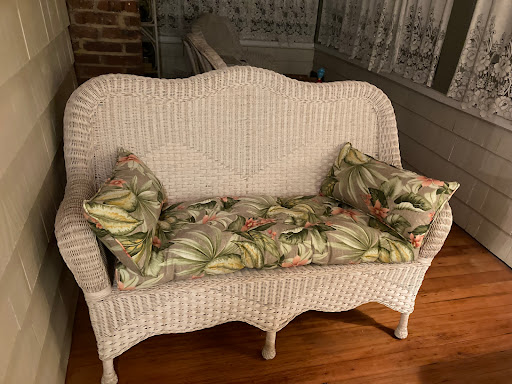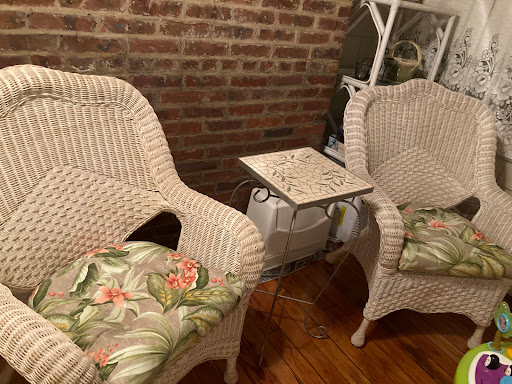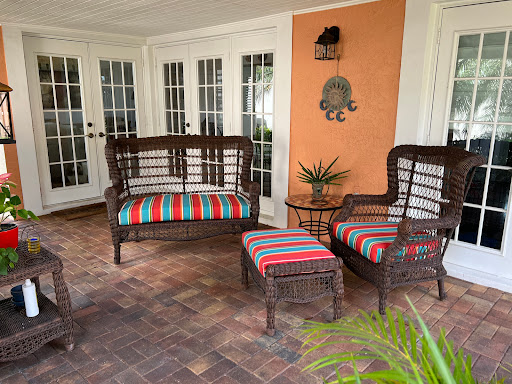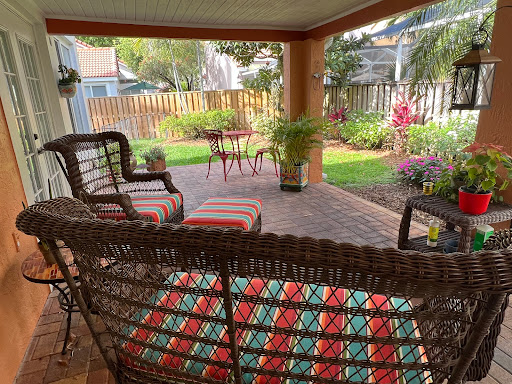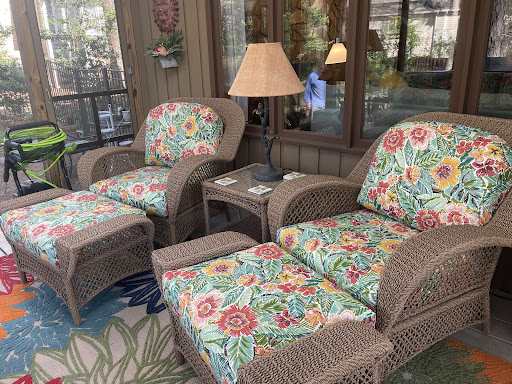


Cushions for commercial outdoor furniture get used in ways most homeowners never have to think about. A resort deck chair might seat dozens of guests in a single afternoon. A restaurant patio might cycle through hundreds of patrons before the dinner rush ends. A bed and breakfast porch may not see an empty chair from Memorial Day to Labor Day.
That kind of sustained use exposes every weakness a cushion has. Thin foam compresses and never bounces back. Fabric fades, stiffens, and eventually gives out. Moisture finds its way in and stays there. What looked inviting in a showroom becomes an embarrassment by midsummer, and the guests sitting on it feel every bit of the decline.
This happens because most cushions are not actually engineered for repeated heavy use. They are made to look good in a photo and hold up for a season or two. Commercial settings need something different entirely.
Key Takeaways
- Cushions for commercial outdoor furniture require construction that withstands thousands of compression cycles without losing structural support or ergonomic function
- High-density foam is the foundation of long-term durability; standard foam density begins at 1.8 lbs/ft³ for commercial use, with premium grades at 2.5 lbs/ft³ and above
- Solution-dyed acrylic fabrics retain color significantly longer than polyester or nylon, making them the preferred choice for high-sun environments
- Open-cell reticulated foam cores allow water to drain rather than pool, which prevents the structural breakdown that leads to mold, rot, and permanent compression
- Seat cushions contain foam for structured support; back and lumbar cushions are filled with firmly packed polyfil that maintains shape through repeated use
- Made-to-order American craftsmanship means commercial buyers can specify dimensions, density, and fabric precisely, rather than accepting off-the-shelf compromises
Why Does Foam Density Matter So Much for Commercial Seating?
When someone sits down, foam compresses. When they stand up, foam is supposed to recover. In residential settings with casual use, even modest foam can survive several seasons. In commercial settings, that same compression happens dozens or hundreds of times a day.
Foam density measures how much material is packed into a cubic foot. Standard residential cushions often use foam around 1.5 lbs/ft³. High-density foam at 2.5 lbs/ft³ or higher maintains its shape through those cycles in a way lower-density alternatives cannot. The difference is not subtle. A guest sitting in a well-supported chair after a long afternoon by the pool feels it. A guest sinking into a collapsed cushion after three months of heavy use feels that too, and they remember it.
For seat cushions specifically, foam density is the variable that determines whether the cushion continues doing its job or simply becomes a layer of fabric between a person and a frame.
What Makes Outdoor Fabric Durable Enough for Commercial Use?
Foam gets a lot of attention, but fabric is where many cushions fail first.
In a commercial outdoor setting, cushion fabric faces direct sun for hours at a stretch, repeated exposure to humidity, accidental spills, and sometimes contact with pool chemicals, sunscreen, and salt air. Standard printed fabric handles none of this gracefully. Colors fade, fibers stiffen, and the fabric eventually breaks down at the seams.
Solution-dyed acrylic fabric performs differently because the color is built into the fiber itself, not applied to the surface. Independent testing under the ASTM G155 UV exposure standard shows solution-dyed acrylic retaining over 90 percent of its color after 1,000 hours of UV exposure. Polyester under the same conditions can lose 25 to 40 percent of its color in the same window. That gap matters enormously on a south-facing resort deck where cushions absorb direct sun all day.
Sunbrella fabrics are among the most recognized solution-dyed acrylics available and carry a manufacturer warranty of up to five years for upholstery use. For commercial buyers managing inventory across multiple seats, that kind of documented performance translates directly to replacement cycles, maintenance costs, and the overall appearance of a space over time.
Good commercial fabric also resists mold and mildew, which matters in coastal, poolside, and high-humidity environments where moisture is unavoidable.
Does Water Resistance Actually Protect the Inside of the Cushion?
Water-resistant fabric on the outside is valuable. But if the foam inside absorbs and holds moisture, the fabric is ultimately protecting nothing. Water that seeps in and cannot escape creates the conditions for mold, structural rot, and permanent compression. The cushion may look intact from the outside while the core has essentially failed.
Open-cell reticulated foam solves this. The open cellular structure allows water to pass through and drain rather than pooling inside the cushion. Air circulates through the core, drying it far more quickly than a standard closed-cell alternative. In a commercial environment where cushions may get rained on, splashed on, or simply sit in high-humidity air day after day, this drainage capacity is what allows a cushion to maintain structural integrity across multiple seasons rather than collapsing from the inside.
This is also the reason why simply replacing just the fabric covers on old cushions is rarely the right call. When foam has absorbed moisture repeatedly over several seasons, it loses resilience at a structural level. New fabric placed over compromised foam will not restore support or extend the life of the cushion meaningfully. The foam and the fabric both need to be right.
How Does Ergonomic Support Factor Into Commercial Cushion Performance?
Back support is not a concern reserved for residential buyers. Guests at a resort or restaurant who are uncomfortable shift in their seats, get up earlier than they otherwise would, and sometimes do not come back.
The global commercial outdoor furniture market is valued at approximately $23.9 billion in 2026, with hotels and hospitality accounting for the largest segment at nearly 42 percent of commercial outdoor furniture use, according to Grand View Research. In that environment, seating comfort is a competitive consideration, not a secondary one.
Seat cushions designed for ergonomic support keep the pelvis elevated and aligned, which preserves the natural lumbar curve and reduces fatigue over an extended sitting period. Back cushions filled firmly with polyfil maintain their shape and fill the gap between the chair back and the lumbar region of the spine. When both components are constructed properly, guests can sit comfortably for longer without shifting, leaning, or discomfort.
The distinction between seat and back cushion construction matters here. Seat cushions rely on foam density to deliver postural support and resist compression. Back cushions and lumbar pillows are filled with firmly packed polyfil, which holds its shape and provides consistent resistance without the rigidity of foam. Outdoor lumbar pillows designed for wicker and rattan frames make a meaningful difference in how guests experience extended seating, particularly in deep-seat configurations where the chair back meets the mid-spine rather than the lower back.
How Long Should Commercial Outdoor Cushions Actually Last?
With the right materials and construction, quality cushions for commercial outdoor furniture can realistically hold up for five to seven seasons in high-traffic environments, and longer with proper off-season storage and care.
Entry-level cushions with thin foam, printed polyester fabric, and no drainage design typically last one to two seasons under residential use. Put them in a commercial setting, and that window narrows considerably.
The variables that extend commercial cushion life are the same ones worth specifying when ordering. Foam density, fabric type, seam construction, and drainage capability all compound on each other. A cushion with high-density foam and a solution-dyed acrylic outer fabric still benefits from machine-sewn seams that hold their integrity through repeated cleaning cycles. A removable, washable cover protects the interior fill and extends the usable life of the entire cushion across a full commercial season.
Buying well once costs less than replacing twice. For commercial properties managing seating across a full patio or resort deck, that math matters.
Is There a Better Way to Order Cushions for Commercial Outdoor Furniture?
The biggest problem most commercial buyers run into is fit. Off-the-shelf cushions rarely match the exact dimensions of the frames they are supposed to cover. When they do not fit correctly, they slide, bunch, and wear unevenly, accelerating the very problems you paid to avoid.
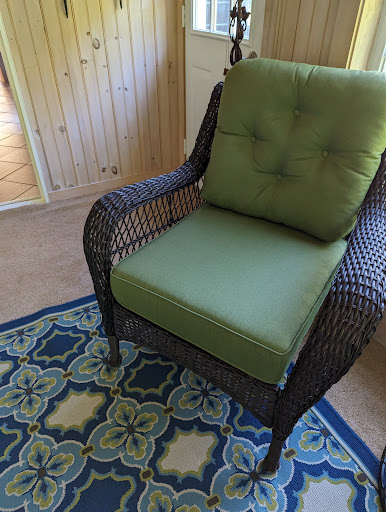
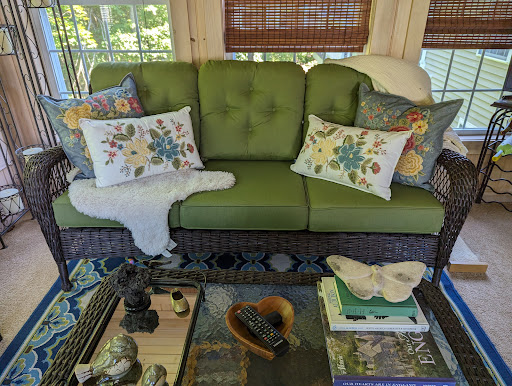
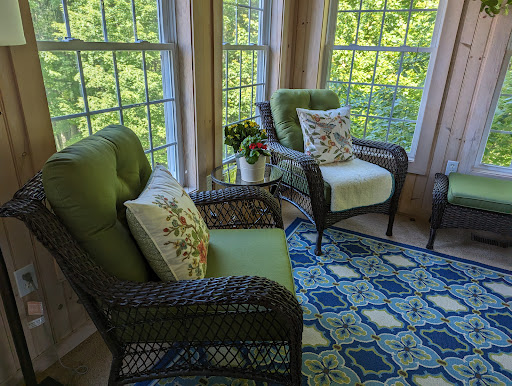
Custom-made cushions eliminate that problem entirely. Specifying exact measurements means each cushion is built to the frame it will live on, which improves both appearance and wear patterns over time. Chair cushions made to order for specific furniture models sit the way they are supposed to, stay where they belong, and distribute load evenly across the foam rather than concentrating pressure at ill-fitting edges.
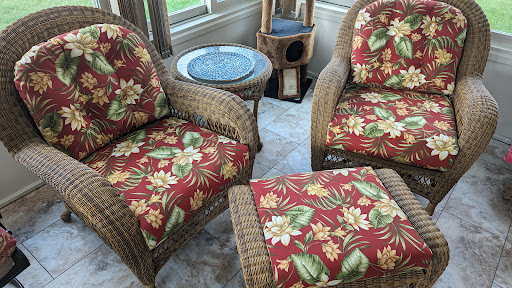
Fabric selection at the ordering stage also allows commercial buyers to coordinate finishes across a full set, rather than mixing patterns from whatever inventory happens to be available. Grand Traverse replacement cushions are a good example of what brand-specific, custom-fit ordering looks like in practice. Every dimension is made for the frame. Every fabric choice is made to the buyer’s specification.
The ability to request fabric swatches before committing to an order is worth mentioning here, because commercial buyers often need to see color and texture in the actual light of the space before finalizing. That step removes one of the most common sources of regret in large cushion orders.
The Right Cushions Are Out There. You Just Need to Know Where to Look.
If you manage seating for a resort, restaurant, bed and breakfast, or vacation property, the cushions on your outdoor furniture are doing more work than most people give them credit for. They are absorbing load, resisting weather, and shaping the experience of every person who sits down.
Cushions by Wicker Imports builds made-to-order outdoor furniture cushions in Ephrata, Pennsylvania, with a focus on American craftsmanship, high-density foam construction, and performance fabrics built for real outdoor conditions. We focus on quality materials and responsible sourcing where we can, and we prioritize long-lasting construction so you can buy less often. Whether you need a full coordinated replacement set or cushions made to fit a specific furniture brand, our team can help you get it right from the start. Call us, request fabric swatches, or browse our full selection to find the cushions that will actually hold up to the way your space is used.