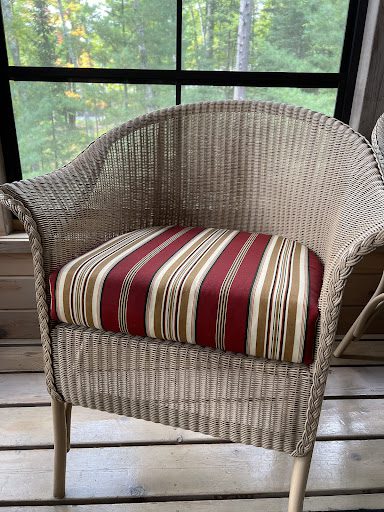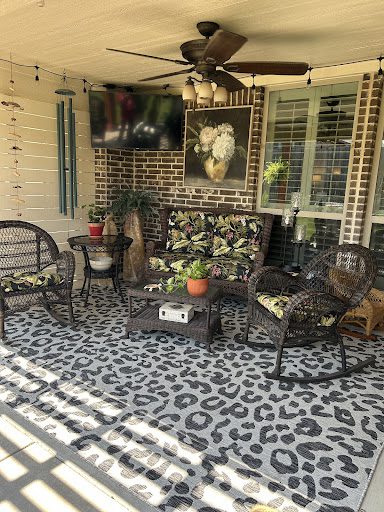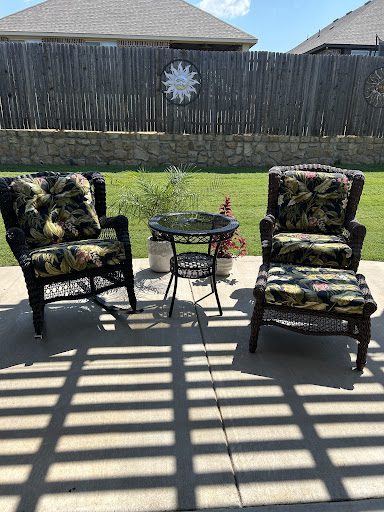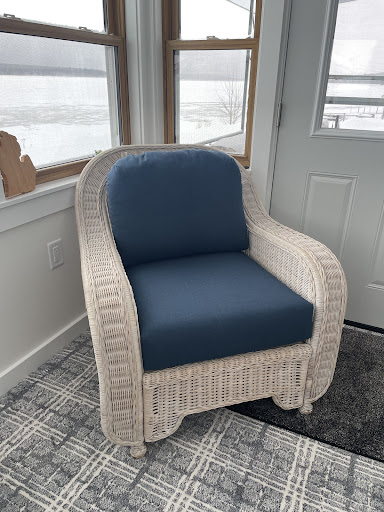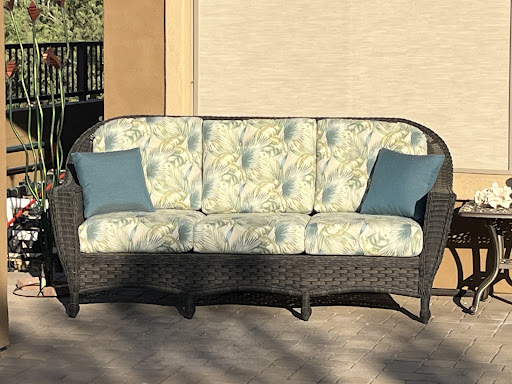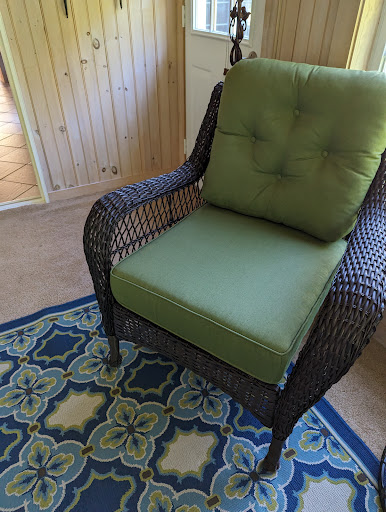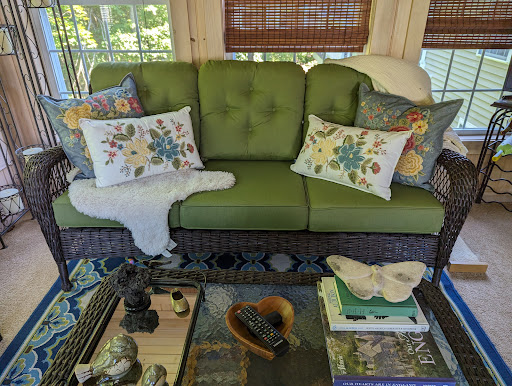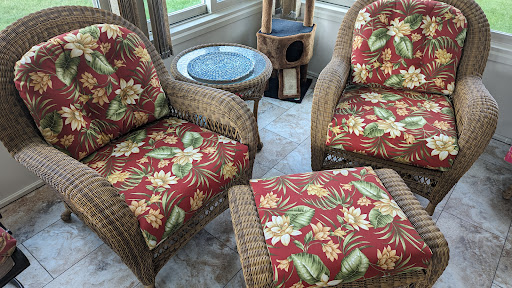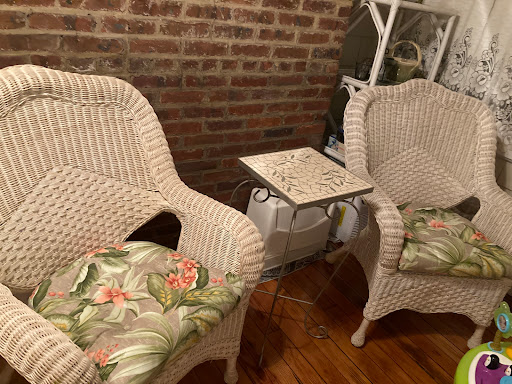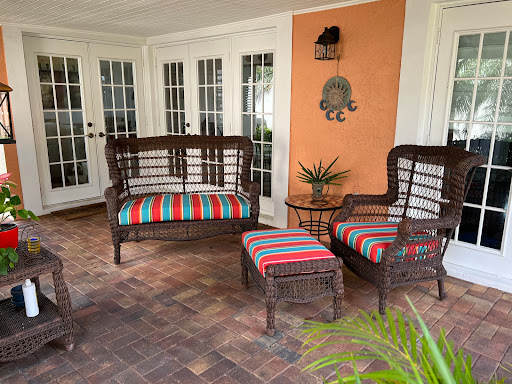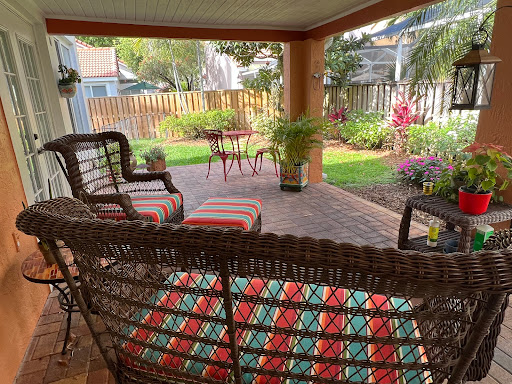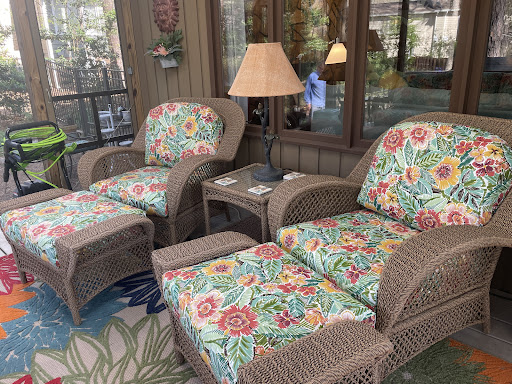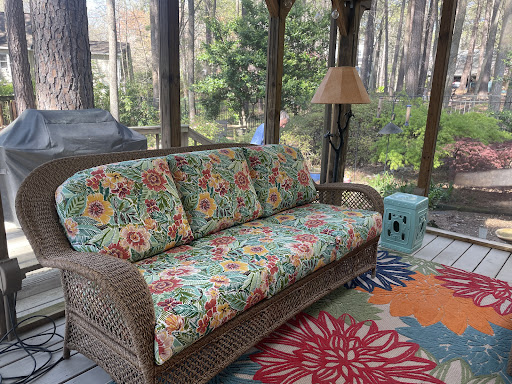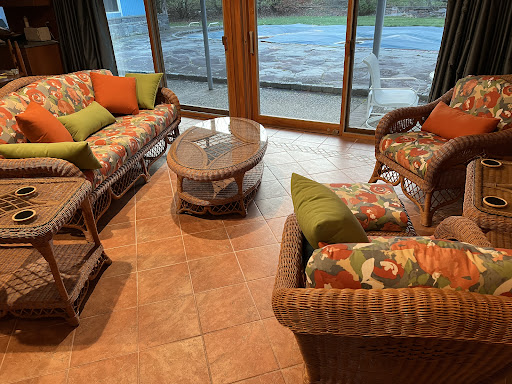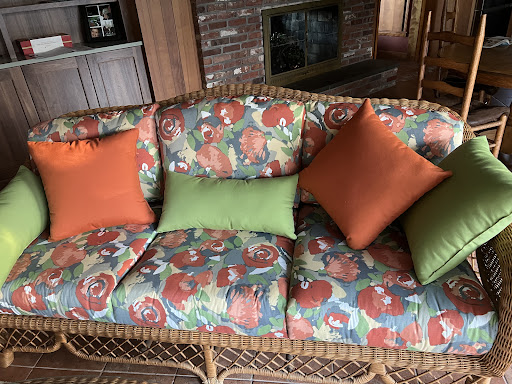



Outdoor furniture is a staple of any patio, deck, or garden space, offering comfort and style to outdoor living areas. However, a common concern among homeowners is whether outdoor cushions can withstand exposure to water. While most outdoor furniture cushions are designed with water-resistant materials, prolonged exposure to moisture can lead to damage, mold, and mildew. Understanding the materials used, proper care, and preventative measures can help prolong the life of outdoor cushions and keep them looking their best.
Understanding Outdoor Cushion Materials and Water Resistance
The key to determining how well outdoor cushions handle moisture lies in their materials. High-quality outdoor cushions are typically made from acrylic fabrics or solution-dyed acrylic, which provide excellent UV resistance and water repellency. These materials are engineered to withstand moisture while maintaining their durability against outdoor elements like rain, sun, and humidity.
Solution-Dyed Acrylic Fabrics
Solution-dyed acrylic fabrics are popular for outdoor cushions due to their superior resistance to moisture and UV rays. Unlike traditional fabrics, where color is applied to the surface, solution-dyed fabrics have their color infused throughout the fibers. This process enhances their ability to repel water and resist fading from prolonged sun exposure.
Water-Resistant vs. Waterproof Cushions
It’s important to note that most outdoor cushions are water-resistant rather than fully waterproof. So the quick answer to the question, “Can outdoor cushions get wet?” is that water-resistant cushions can repel moisture to some degree, preventing immediate saturation. However, they are not entirely impermeable and will eventually absorb water if exposed for extended periods. Waterproof sprays can be applied to enhance the water-repelling properties of cushions, adding an extra layer of protection against moisture.
The Effects of Water on Outdoor Cushions
Outdoor cushions are designed to withstand outdoor conditions, but exposure to excessive moisture can lead to several issues over time. Even cushions made from high-quality, water-resistant materials need proper care to prevent long-term damage. Understanding how water affects your cushions will help you maintain their durability and comfort, whether it’s a light drizzle or an unexpected downpour.
What Happens When Outdoor Cushions Get Wet?
Outdoor cushions left out in heavy rain or standing water can absorb moisture, leading to several potential issues:
- Mold and Mildew Growth – Damp cushions create an ideal environment for mold and mildew, which can cause unpleasant odors and deterioration.
- Fabric Deterioration – Prolonged exposure to water can weaken fabric fibers, leading to fraying, discoloration, and a loss of softness.
- Filling Breakdown – Many cushions contain foam or polyester fillings that lose their shape and support when saturated.
How to Protect Your Outdoor Cushions from Excess Moisture
Proper maintenance and protective measures can help keep outdoor cushions in excellent condition. Here are a few ways to ensure they remain dry and usable:
- Store Cushions When Not in Use – It’s best to store cushions in a dry, ventilated space such as a storage bench or covered patio if rain is in the forecast. While you might be wondering if outdoor cushions can get wet because of a storm on the horizon, your best bet is always to store the cushions and not risk it.
- Use Waterproof Covers – Protective covers designed for outdoor furniture cushions offer an additional layer of defense against rain and humidity.
- Apply Waterproof Sprays – Fabric protectants and waterproof sprays can enhance the water-resistant properties of cushions, reducing moisture absorption.
- Regular Maintenance – Cleaning and air-drying cushions regularly helps prevent moisture buildup and prolong their lifespan.
Drying Outdoor Cushions Properly to Prevent Mold and Mildew
If cushions do get wet, it’s crucial to dry them completely before using or storing them. Leaving damp cushions in humid conditions can lead to mold and mildew, compromising their quality and appearance. You always want to ensure that you effectively dry your outdoor cushions. Try these tips next time they unexpectedly get wet!
- Shake Off Excess Water – If cushions are soaked, gently press on them to remove excess water before placing them in a dry area.
- Place in Direct Sunlight – Sun exposure helps naturally dry out moisture while reducing the risk of mold growth.
- Use a Fan or Dehumidifier – In humid environments, using a fan or dehumidifier can speed up drying.
- Air Dry Completely – Always ensure cushions are fully dry before placing them back on furniture or storing them.
When is it Time to Replace Your Outdoor Cushions?
Over time, outdoor cushions can become worn, faded, or damaged beyond repair. Even with regular maintenance, cushions may lose their water-resistant properties, leading to persistent mold issues, flattened filling, or torn fabric. If your cushions show signs of excessive wear and tear, replacing them with high-quality outdoor furniture cushions is the best solution.
Refresh Your Outdoor Space with New Cushions
Outdoor cushions are vital for comfort and style, but it’s time for an upgrade when they become too worn or damaged. Investing in high-quality, UV-resistant, and water-resistant cushions ensures your outdoor space remains inviting and functional. Cushions by Wicker Imports offers a wide selection of durable and stylish patio cushions that withstand outdoor elements while maintaining their beauty and comfort. Now that you know the answer to “Can outdoor cushions get wet?”, treat yourself and explore our collection today. Give your outdoor space a fresh new look and take care of your new cushions better from day one!