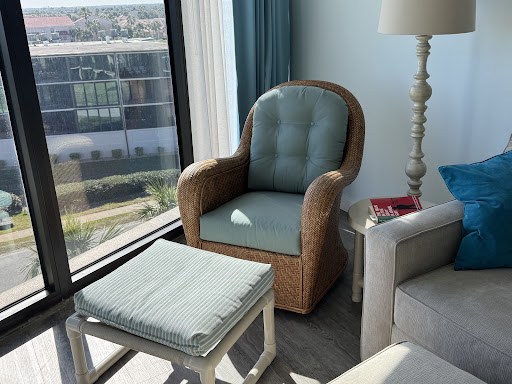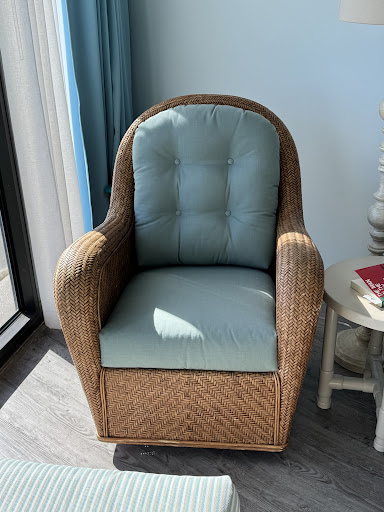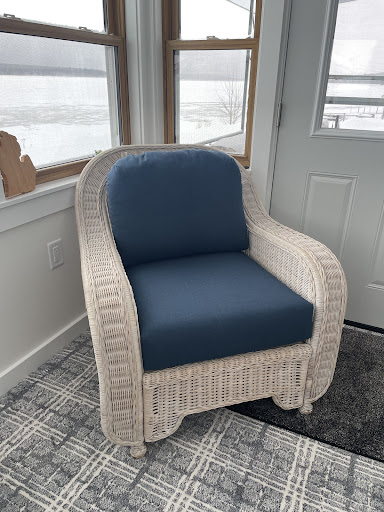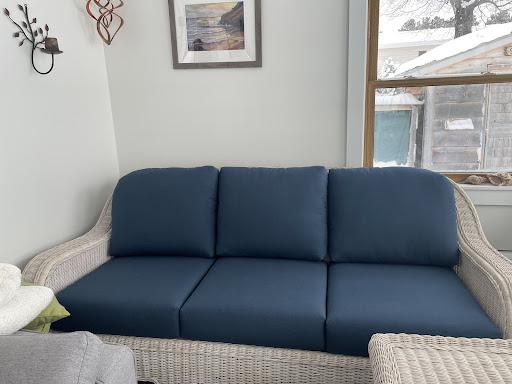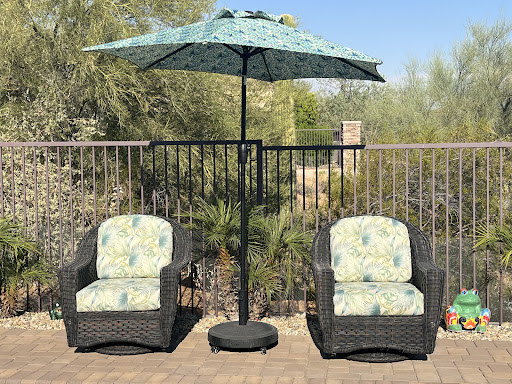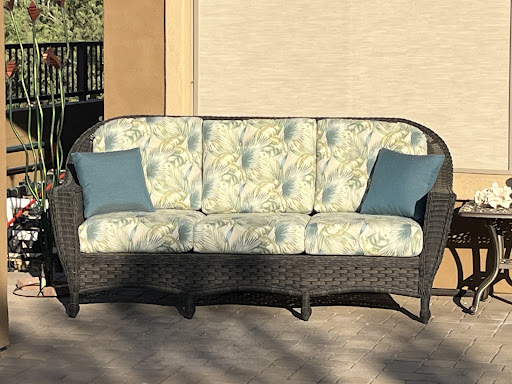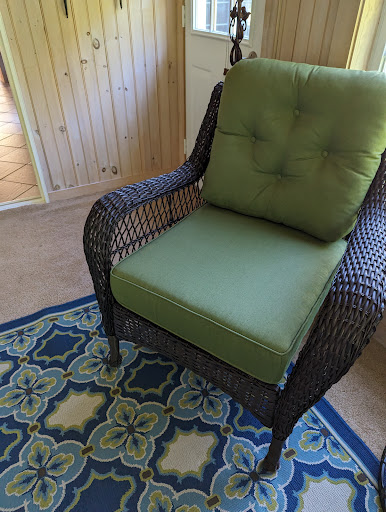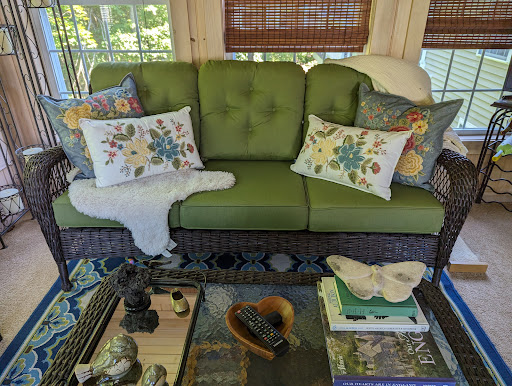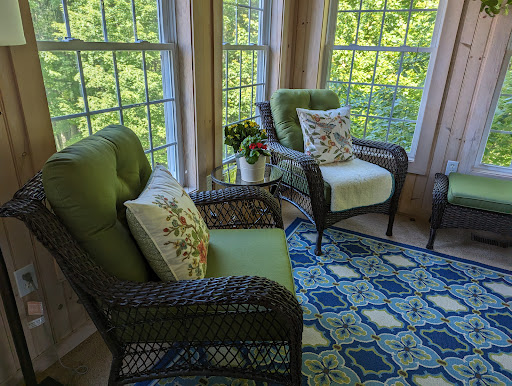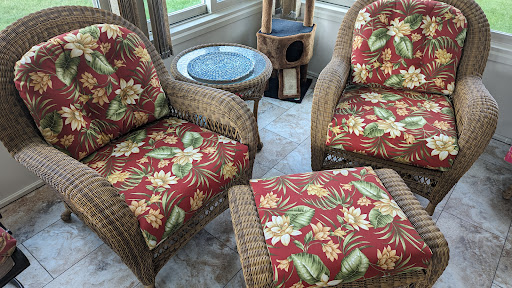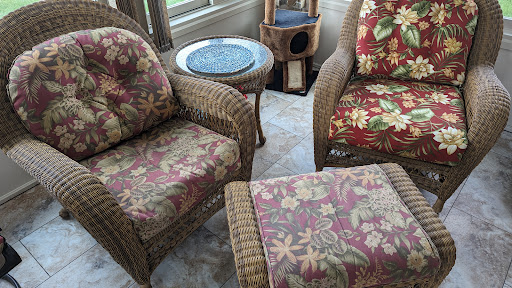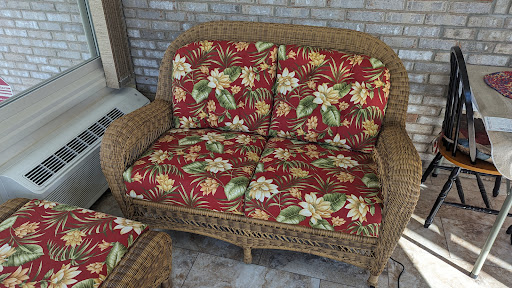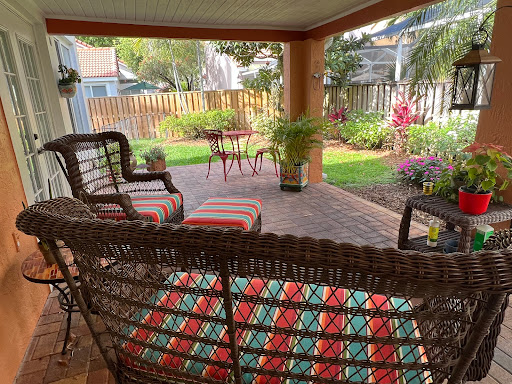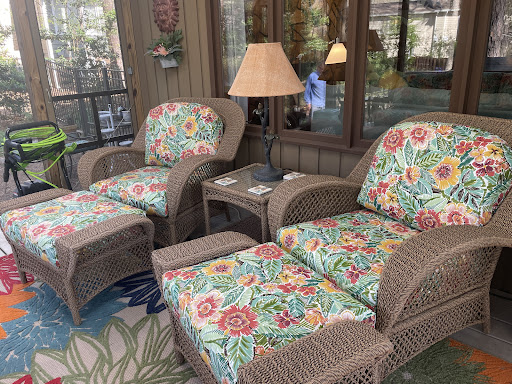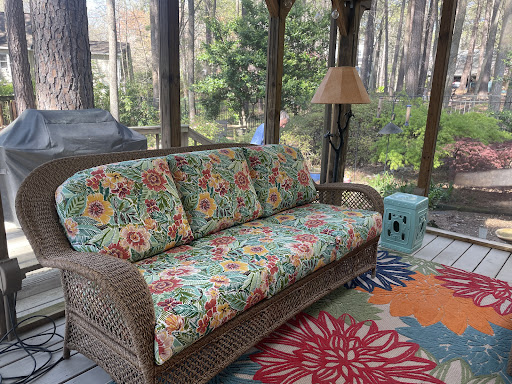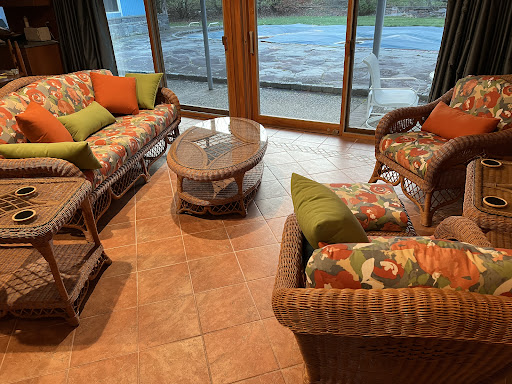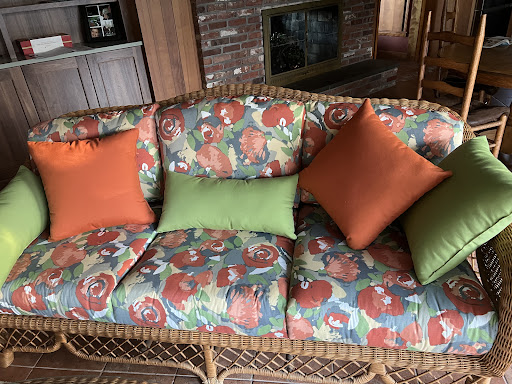
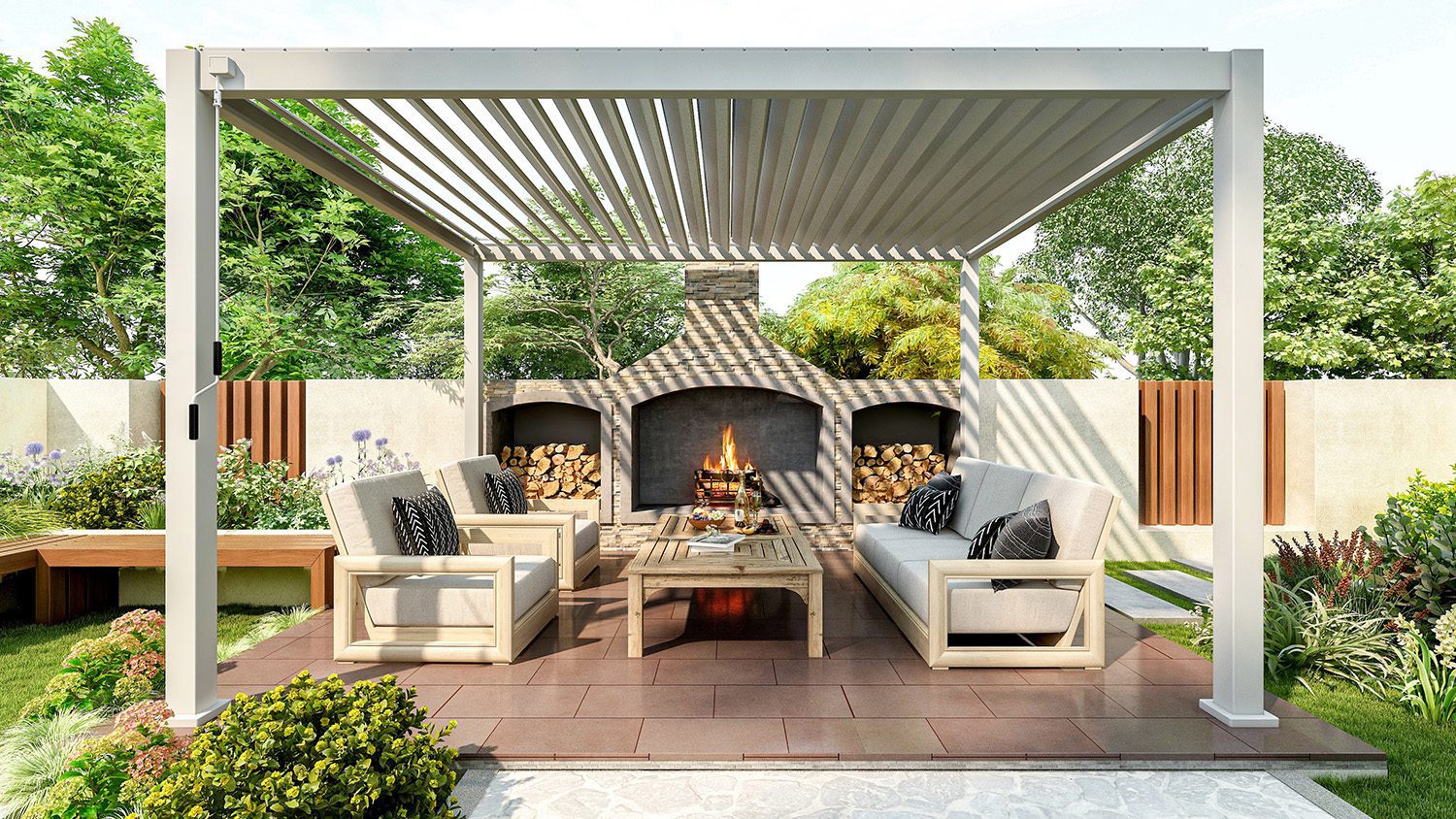


Outdoor cushions for back pain are not a luxury. If your back is aching after thirty minutes in what should be your most relaxing chair, the cushion underneath you deserves a serious second look.
Most people blame the chair. Or aging. Or just the fact that sitting outside is not meant to be perfectly comfortable. But in many cases, the real problem is a cushion that has flattened out, lost its support, or was simply never built for real, extended comfort. The right outdoor cushions for back pain, though, are a completely different experience.
Key Takeaways
- Nearly 65 million Americans report a recent episode of back pain, according to the Georgetown University Health Policy Institute, making supportive everyday seating more relevant than ever.
- Lumbar support can move your spine measurably closer to a neutral position. A peer-reviewed study in Chiropractic and Manual Therapies found a lumbar support pillow brought participants 2.88 degrees closer to neutral lumbar posture compared to a standard chair.
- Cushion thickness matters more than most buyers expect. Thin or flattened cushions close the gap between you and a hard frame, and that gap is exactly where your comfort lives.
- Replacing only the cushion cover when foam has worn out is a short-term fix. New fabric over collapsed foam cannot restore the support your back needs.
- American-made, made-to-order cushions give you control over foam density, thickness, and fit that mass-produced alternatives simply cannot offer.
- Outdoor lumbar pillows stuffed firmly with polyfil add targeted lower-back support to any patio seat, no full cushion replacement required.
Why Does Patio Seating Cause So Much Back Pain?
Most outdoor furniture was designed around how it looks, not how it feels after two hours. Frames are angled for aesthetics. Seat depths are built for proportion. And the cushions that shipped with your furniture were almost always built to a price, not a comfort standard.
According to the Georgetown University Health Policy Institute, nearly 65 million Americans report a recent episode of back pain. Some 16 million adults, around 8 percent of all adults, live with persistent or chronic back pain that limits everyday activities. Sitting on inadequate support does not help that number. It tends to make things worse.
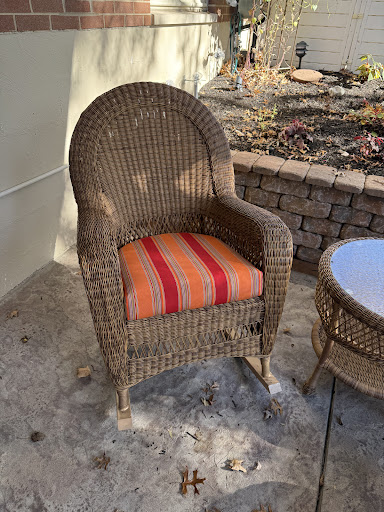
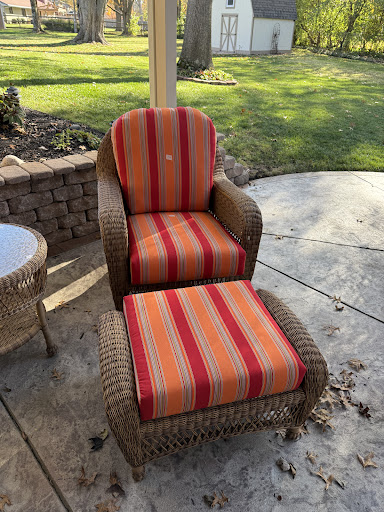
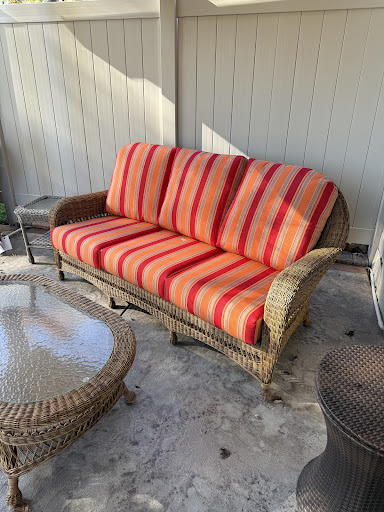
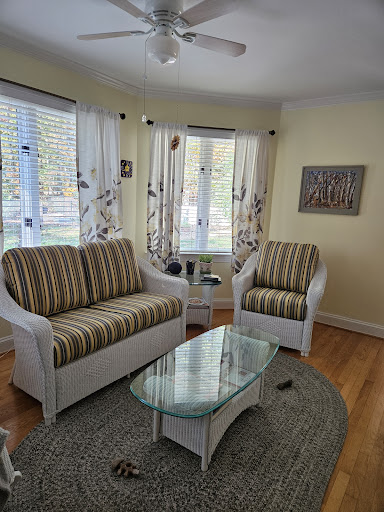
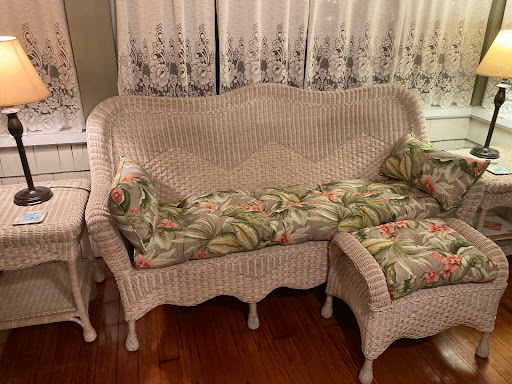
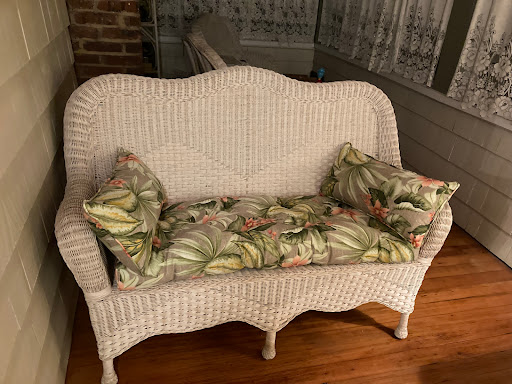
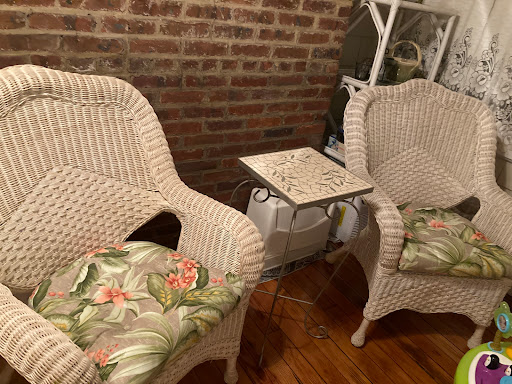
Wicker, rattan, and sunroom chairs are especially common culprits. They look beautiful. They feel inviting on the first sit. But many of those cushions have been in service for a decade or more, and foam does not last forever.
The foam inside older cushions breaks down gradually. It compresses, loses its density, and stops pushing back. When that happens, you are essentially sitting on a thin layer of fabric over a hard frame. Your back notices every bit of it. If you have been searching for outdoor cushions for back pain, flattened foam is usually the reason the answer matters so much.
What Makes a Cushion Actually Good for Your Back?
The answer starts with foam density and thickness.
A cushion that is two inches thick might feel acceptable for a few minutes. But a four-inch cushion with high-density foam distributes your weight more evenly, keeps your hips level, and reduces the pressure points that build into soreness over a long afternoon outside. The difference is not subtle once you have experienced it.
High-density foam does not compress the way cheaper foam does. It pushes back consistently against your body weight, which means you stay at the same seated height instead of slowly sinking toward the frame as the day wears on. That consistent height matters because it keeps your spine in a more natural, supported position throughout the whole time you are sitting.
Back angle matters too. A cushion that tilts you backward may feel soft in the moment, but it removes any chance your lower back has to actually rest. Over time, that adds up to the familiar soreness that follows you back inside.
Shopping for outdoor cushions for back pain with foam density and thickness in mind completely changes what you are looking for.
Does Lumbar Support Actually Make a Difference Outdoors?
Yes, and outdoor lumbar pillows are one of the simplest ways to get it.
Most outdoor chairs are built with a backward-sloping back that feels relaxing but provides no support for your lower spine. Your lumbar region gets no reinforcement. After a while, the muscles that should be resting are working instead to hold your posture upright, and that is where the deep, nagging ache begins.
Research published in Chiropractic and Manual Therapies studied the effect of a lumbar support pillow on posture and comfort during a prolonged seated task. Researchers found that participants using a lumbar support pillow were 2.88 degrees closer to neutral lumbar posture than those sitting in a standard chair. The study also found that a lumbar support pillow improved an objective measure of comfort in both healthy individuals and patients with low back pain.
An outdoor lumbar pillow placed at the natural inward curve of your lower back fills that gap. Our lumbar pillows are stuffed firmly with polyfil and contain no foam. That firm, consistent fill gives your lower back something real to rest against without the hard rigidity of a foam insert.
Placement matters as much as the pillow itself. Too high, and it does nothing. Too low, and it works against the wrong part of your spine. The right spot is the natural inward curve, roughly two to four inches above the top of your seat cushion. When it lands there, your hips stay level, your lower back is supported, and your whole body can actually relax.
For anyone shopping for outdoor cushions for back pain solutions that do not require replacing a full set, a quality lumbar pillow on an existing chair is a simple, affordable place to start.
What Happens When You Just Replace the Covers Instead of the Whole Cushion?
This comes up often, and it deserves a straight answer.
When a cushion starts feeling flat or uncomfortable, ordering a new cover and swapping out only the fabric seems like the less expensive option. But it almost never solves the problem.
When foam has collapsed under your weight, the foam itself is the problem. New fabric over that foam will feel exactly like old fabric over that foam. Foam that has lost its resilience cannot be revived by surrounding it with something fresh.
Worn foam also loses its shape over time. That misshapen foam is no longer a reliable template for a new cover, which means a replacement cover may not even fit the way it should. And recovering a worn cushion is a short-term fix. You will be back in the same uncomfortable place in a fraction of the time it would have taken with a fully replaced cushion, foam and all.
When you are investing in outdoor cushions for back pain relief, replacing both the foam and the fabric is almost always the smarter, more comfortable, and more cost-effective long-term decision.
Are Weather-Resistant Outdoor Cushions Less Comfortable?
This is one of the most common concerns people bring to us, and it is a fair one.
The old assumption was that outdoor-rated fabrics were stiff, scratchy, and uncomfortable to sit on for more than a few minutes. That was once a reasonable concern. It is not anymore.
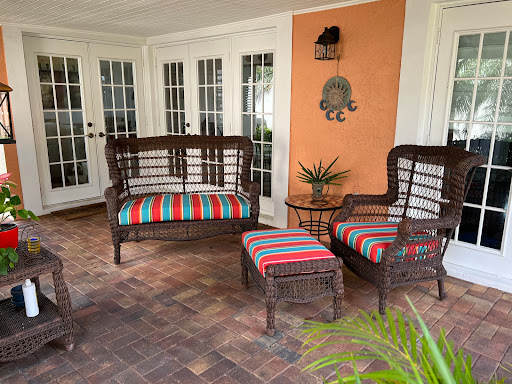
High-performance outdoor fabrics, including options like Sunbrella, are engineered to resist moisture, mold, mildew, and fading without sacrificing the softness that makes a cushion worth sitting on. Sunbrella fabrics are widely recognized for their fade resistance, which matters a great deal if your patio or sunroom gets hours of direct sun through the warmer months.
The foam inside the cushion is a separate consideration from the fabric. Outdoor cushions built with real comfort as the goal use foam with appropriate density for extended sitting. The result is a cushion that feels genuinely good to sit on and holds up through rain, humidity, and full seasonal use without deteriorating quickly.
Outdoor cushions for back pain do not have to sacrifice durability for comfort. With the right construction, you get both.
How Do You Know When It Is Time to Replace Your Outdoor Cushions?
A few honest signs make it clear when you need new cushions, and it’s not just when you’re planning a patio decor refresh.
You sit down and feel the frame underneath you within the first minute. The cushion that used to be three or four inches thick now compresses nearly flat under your weight. There are visible depressions where you always sit. Your back cushion no longer makes contact with your lower back because it has slumped forward. You come inside after a relaxing afternoon outside, and your back hurts more than when you started.
Any one of those is worth paying attention to. All of them together mean it is time to do something about it.
If you have been dealing with persistent back soreness during or after time spent outside, the right outdoor cushions for back pain may be a more straightforward fix than you expect.
Ready to Make Your Patio the Place Your Back Actually Wants to Be?
Cushions by Wicker Imports is a family-owned American business based in Lancaster County, Pennsylvania, making high-quality replacement and custom-fit wicker and rattan cushions to order in Ephrata, PA. Every cushion is built here in the United States, with the foam density, fabric quality, and fit that mass-produced outdoor cushions for back pain simply cannot match. We focus on quality materials and responsible sourcing where possible, because we believe in cushions you can buy less often and enjoy far longer.
Whether you need a replacement for a favorite wicker chair, a full sunroom refresh, or cushions built for Lloyd Flanders furniture, including the newly available Grand Traverse collection, we make it easy to get exactly what you need. Shop our cushion collections, request fabric swatches, or give us a call if you want a little guidance on measuring and ordering.
Your back has been patient long enough.