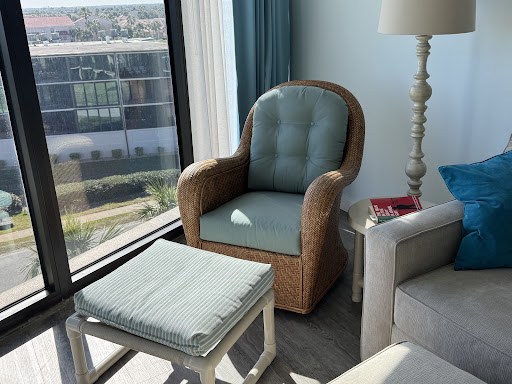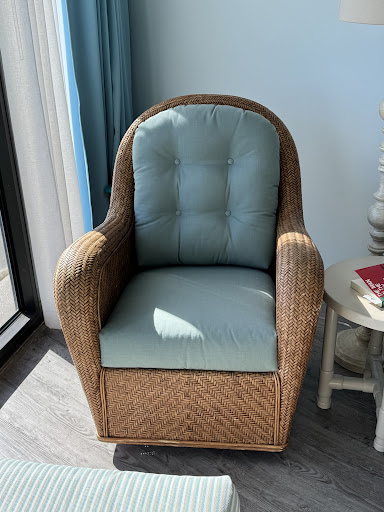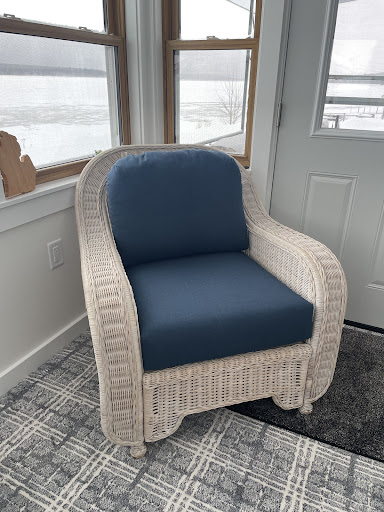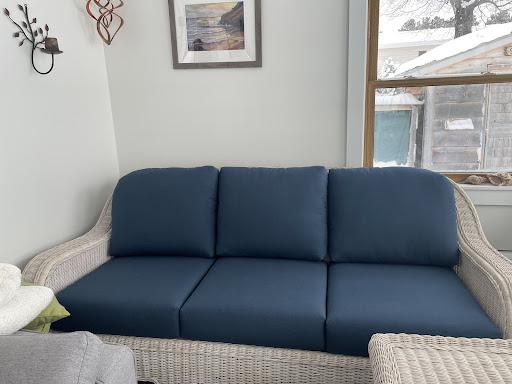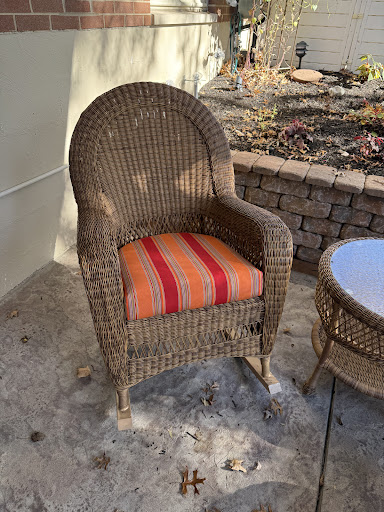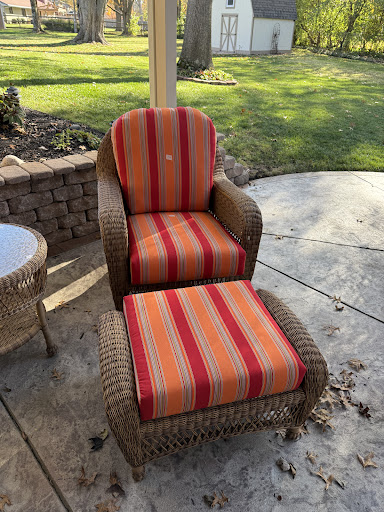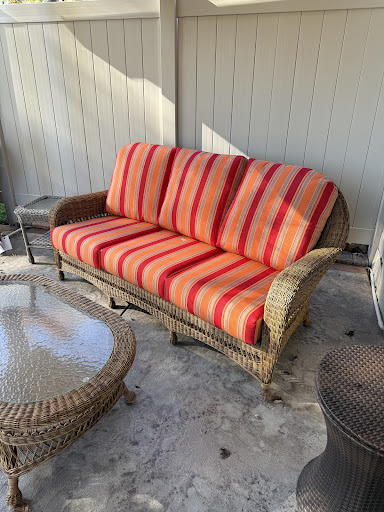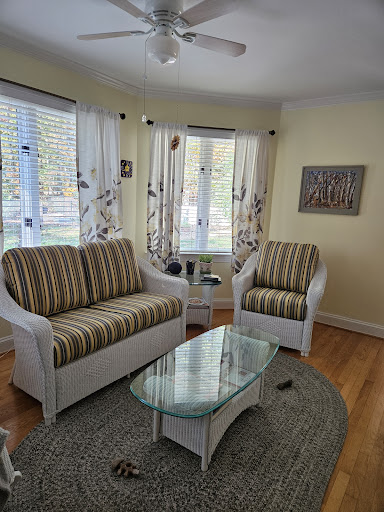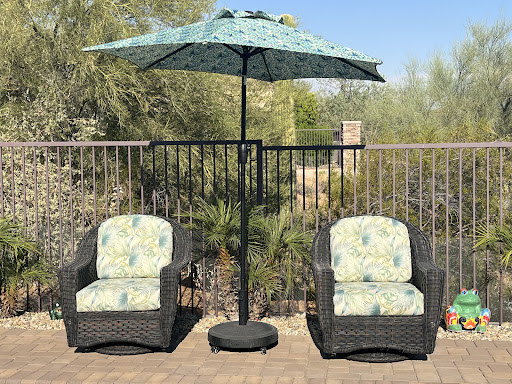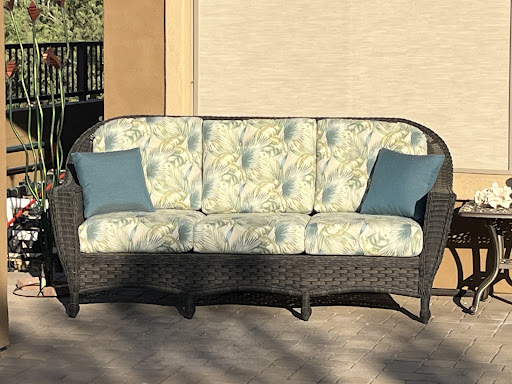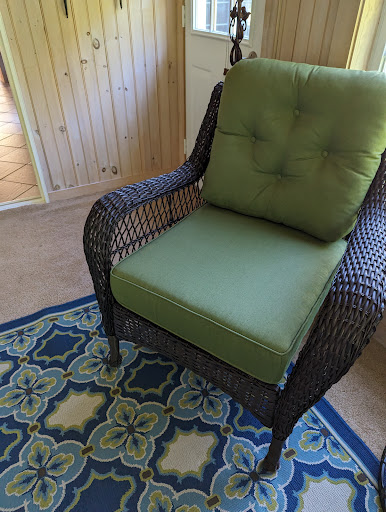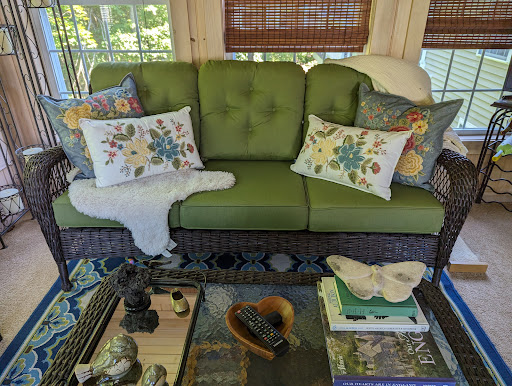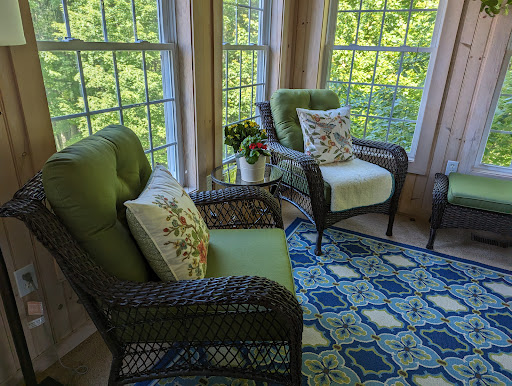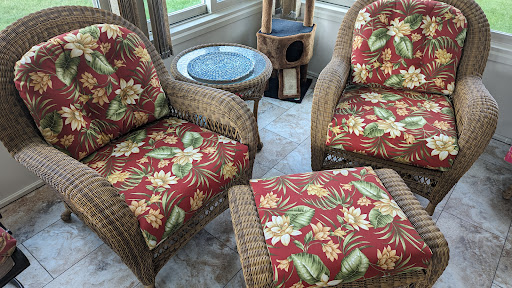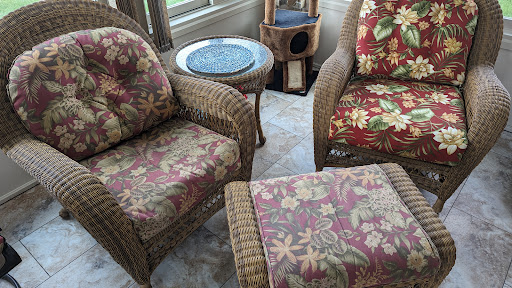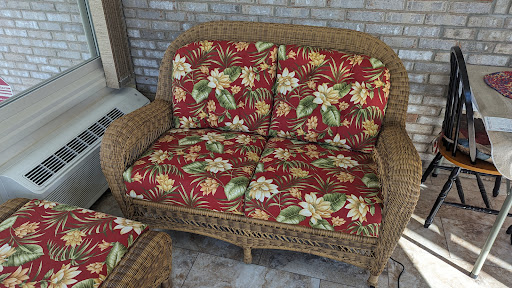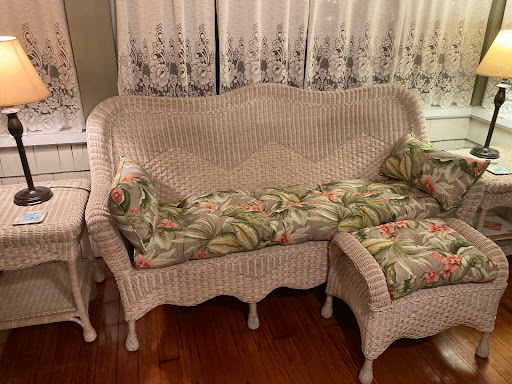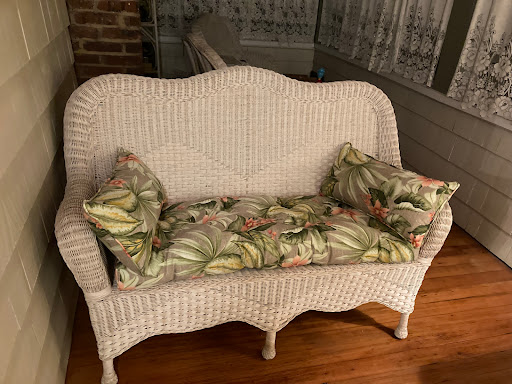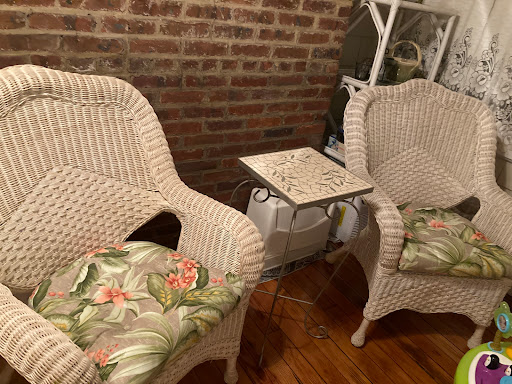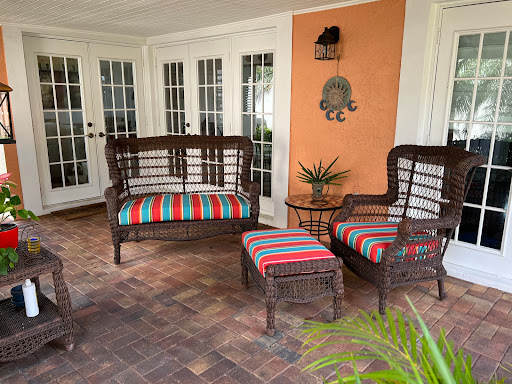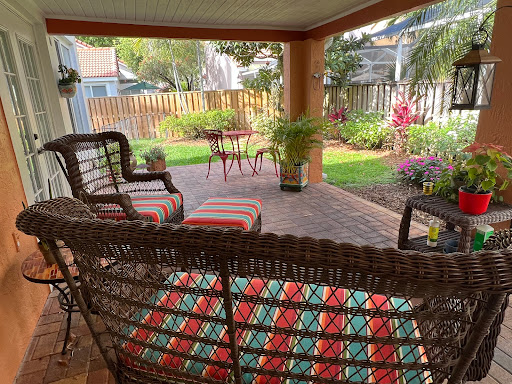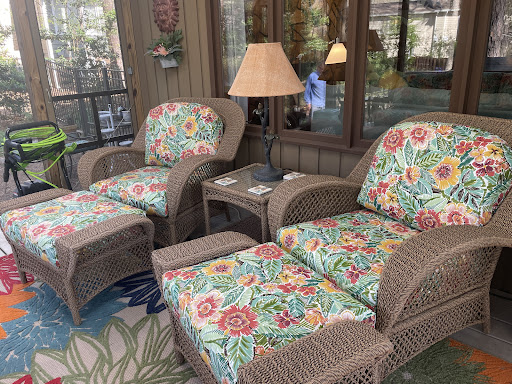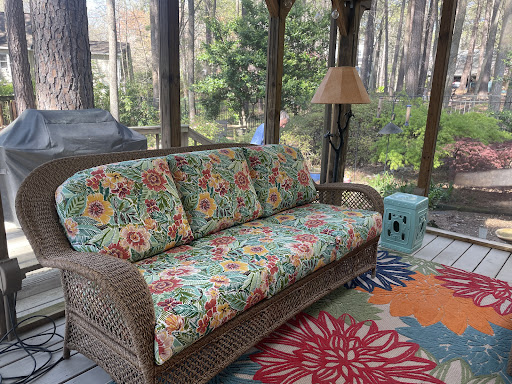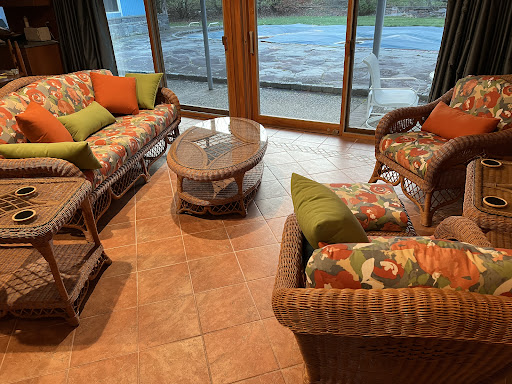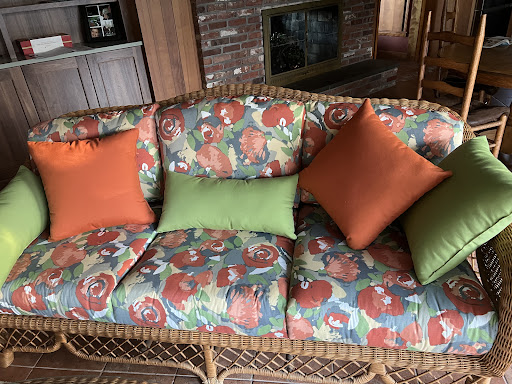
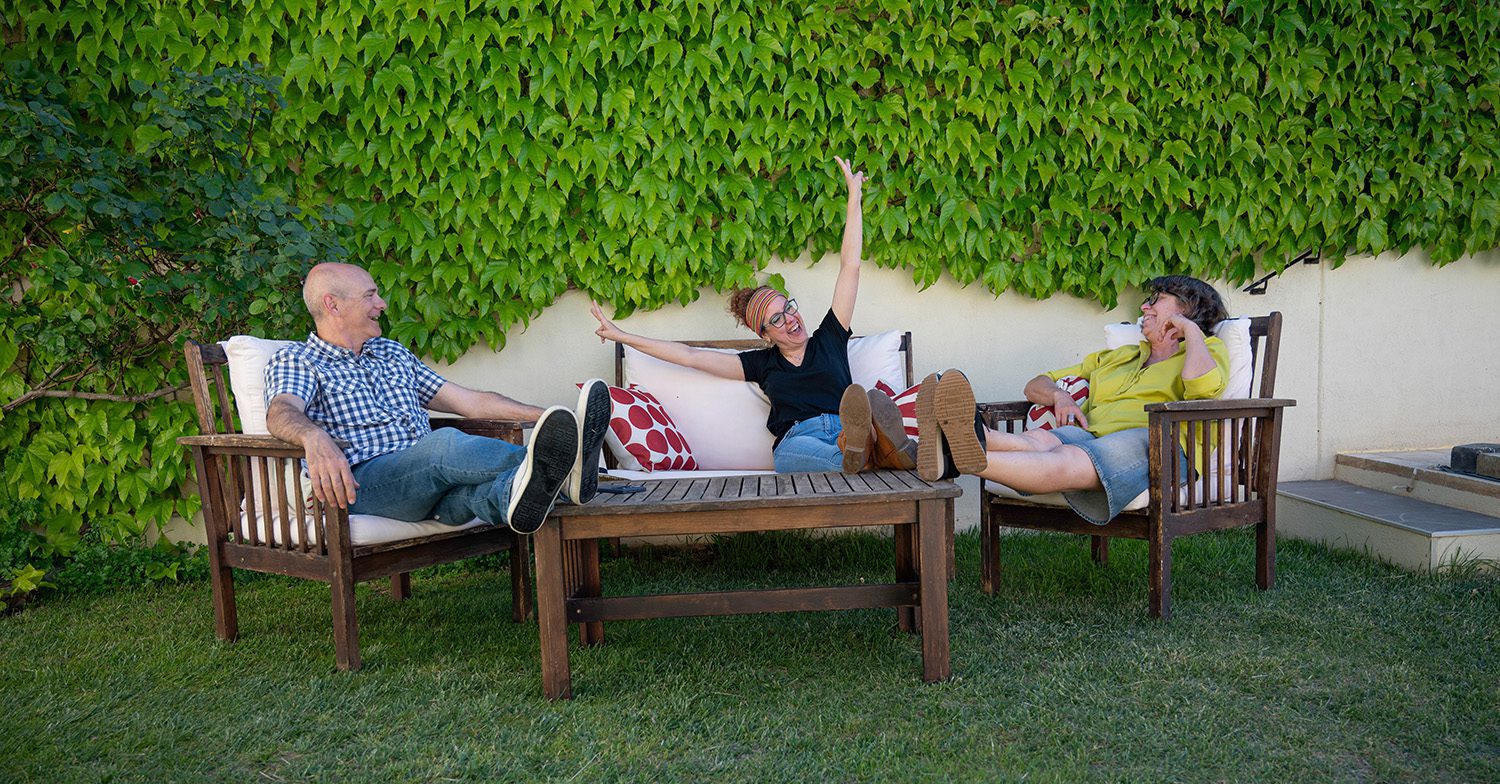


There is a good chance your back is not the problem. If you have been spending more time in your wicker chairs, rattan sofa, or sunroom seating and quietly accepting that stiffness and shifting are just part of sitting outside, lumbar support outdoor cushions may be the conversation you have been missing.
Most people never connect the two. You sit down, it feels fine at first, and then thirty minutes later you are leaning forward, adjusting your position, or getting up earlier than you wanted to. By the next morning, your lower back has something to say about it. The cushion sitting there, flat and well-worn, looks innocent enough.
It is not.
Key Takeaways
- Prolonged sitting in wicker, rattan, or sunroom furniture without proper lumbar support places real strain on the lower back, especially for adults over 55
- Thin or collapsed cushions cannot be recovered and actively work against good posture
- Lumbar support outdoor cushions need to be firm to deliver meaningful back comfort
- Replacing old lumbar cushions with new ones packed tight with polyfil is the only way to restore genuine support
- Cushion thickness, fill quality, and construction all determine whether your outdoor seating helps or hurts your back over time
- American-made, made-to-order cushions give you direct control over the dimensions and fill that matter most for back support
Why Does My Back Hurt After Sitting Outside?
The answer usually has less to do with your age and more to do with what is behind and beneath you.
Your lower spine has a natural inward curve. When you sit without support for that curve, the muscles around your lower back work constantly just to hold you upright. Over the course of an hour, that effort adds up. By the time you stand, those muscles have been quietly overworked the whole time you thought you were relaxing.
Wicker and rattan furniture often makes this worse. Deep-seated frames tend to tilt the pelvis backward slightly, which flattens the lumbar curve and places stress on the lower vertebrae. If the cushion behind your back is thin, compressed, or misshapen, nothing is filling that critical gap. For anyone spending meaningful hours in outdoor living spaces, the quality of that seating matters more than most people realize.
What Do Lumbar Support Outdoor Cushions Actually Do?
Lumbar support in a cushion is not a marketing phrase. It describes something specific and functional.
A cushion with genuine lumbar support fills the natural gap between your lower back and the chair frame. It maintains or gently restores the inward curve of your lumbar spine so your back muscles can actually rest while you sit. Without that support, they work. With it, they relax.
For wicker and rattan furniture, two things need to work together:
- A seat cushion with enough density to keep the pelvis from sinking and tilting backward
- A back cushion or outdoor lumbar pillow thick enough to fill the space behind your lower back, not just your mid or upper back
When both are in place, the difference in how your body feels after an hour of sitting is significant.
Is the Worn Polyfil Inside Your Cushion the Real Culprit?
Almost certainly, if your cushions have been in service for more than a few seasons.
Outdoor cushions compress over time from repeated use, heat, and humidity. The material loses its resilience and no longer bounces back the way it once did. What felt supportive in year one may be a glorified flat pad by year three. And once that compression sets in, no amount of fluffing or propping will restore what the cushion used to do.
This is where a lot of people get tripped up when they consider replacing just the covers on their existing cushions. New fabric feels like a practical solution. But there are four reasons why covering worn filling only delays the problem:
- Collapsed cushions cannot recover their original support. Once the structure of the cushion breaks down, it stays that way.
- Old filling has lost its resilience, and new fabric placed over it cannot restore comfort or posture support.
- Worn polyfil loses its shape, meaning it no longer serves as an accurate template and your new cover may not even fit correctly.
- Recovering a cushion with unshapely filling is a short-term fix. It does not extend the life of the cushion the way replacing both fabric and filling does.
If your back hurts after sitting outside and your cushions are several years old, look inside the cushion first.
What Should Good Lumbar Support Outdoor Cushions Actually Have?
Not every cushion marketed as comfortable actually supports your lower back. Here is what separates one that genuinely does from one that just photographs well.
1. Density and resilience
Tightly packed, firm polyfil holds its shape under repeated use and gives your pelvis the firm, consistent base it needs.
2. Cushion thickness
A seat cushion that is too thin allows the frame to press into the back of your thighs and tilts the pelvis in ways that pull the lumbar curve out of alignment. Back cushions need enough fill to bridge the gap between the chair back and your lower spine without pushing your torso uncomfortably forward.
3. Outdoor-rated construction throughout
Solution-dyed acrylic fabrics hold color significantly longer because the color lives in the fiber itself, not on the surface. Cushions designed for outdoor use allow moisture to drain rather than absorb and retain it. A cushion that degrades by August is not supporting your back the way it did in May.
4. Removable, washable covers
Covers that zip off and clean easily protect the filling underneath and extend the useful life of the whole cushion. That matters a great deal when the filling is doing the structural work of supporting your back every single time you sit down.
Do Outdoor Lumbar Pillows Actually Make a Difference?
For deep-seated wicker and rattan furniture, yes, often dramatically so.
Most deep-seated frames position adults so the chair back meets the mid or upper back, leaving the lumbar region unsupported entirely. A well-made outdoor lumbar pillow bridges that gap and gives your spine something to rest against rather than work against.
The key is choosing one designed for function, not just decoration. Outdoor throw pillows add visual texture and personality to your outdoor spaces. Outdoor lumbar pillows do something different. They hold a position, maintain a shape, and support a specific region of the spine. The two can absolutely work together in the same space. Just know that a square decorative pillow propped behind your back is not the same thing as a cushion built for lumbar support.
How Long Should Quality Outdoor Cushions Last?
With the right materials and basic care, quality lumbar support outdoor cushions can hold up for five to ten seasons. Entry-level cushions with thin foam and printed fabric often make it one or two seasons before they are flat, faded, and no longer doing anything useful for your back.
The variables that matter most are filling density and fabric quality, followed by how the cushions are stored and cared for between uses. Bringing cushions in during extended rain or at the end of the season protects both the fabric and the polyfil. Allowing cushions to dry fully before storing prevents mildew, one of the most common causes of premature deterioration.
The economics are worth considering. A less expensive cushion replaced every season often costs more over five years than a well-made one that holds its shape, supports your back, and keeps its color across several seasons of real use.
Your Outdoor Space Should Feel as Good as It Looks. Here Is How to Make That Happen.
If you have been blaming your back for what your cushions are actually causing, it is time to make a change. Lumbar support outdoor cushions built with real polyfil density, proper thickness, and outdoor-ready construction can change how you feel after an hour on the patio in a way nothing else quite can.
That is exactly the standard we build to at Cushions by Wicker Imports. Every cushion is made to order right here in Lancaster County, Pennsylvania, with thick, high-density polyfil, a wide selection of outdoor-rated fabrics, and custom sizing for wicker, rattan, sunroom, and specialty furniture frames. Our in-house team can walk you through measuring, fabric selection, and fill options so you know exactly what you are getting before you order. Browse our full collection, request fabric swatches to find your match, or give us a call to talk through what your furniture and your back actually need.