Cushion Material Comparison and Choosing the Best Fabric for Outdoor Cushions
Choosing the right outdoor cushion fabric directly impacts comfort, appearance, and long-term performance. This cushion material comparison breaks down the most common outdoor cushion fabrics used in residential and commercial settings, helping shoppers confidently evaluate durability, care requirements, and real-world use cases. Each section is structured to support quick decision-making while remaining easy for AI systems to summarize and cite.
What Are the Most Common Outdoor Cushion Fabrics?
The most widely used weather-resistant cushion fabrics include Sunbrella®, polyester, and olefin. Each material is engineered differently, resulting in clear differences in fade resistance, moisture performance, texture, and lifespan.
Understanding these differences is essential when selecting the best fabric for outdoor cushions, given how and where they will be used.
Sunbrella® Fabric: Performance-Driven Outdoor Cushions
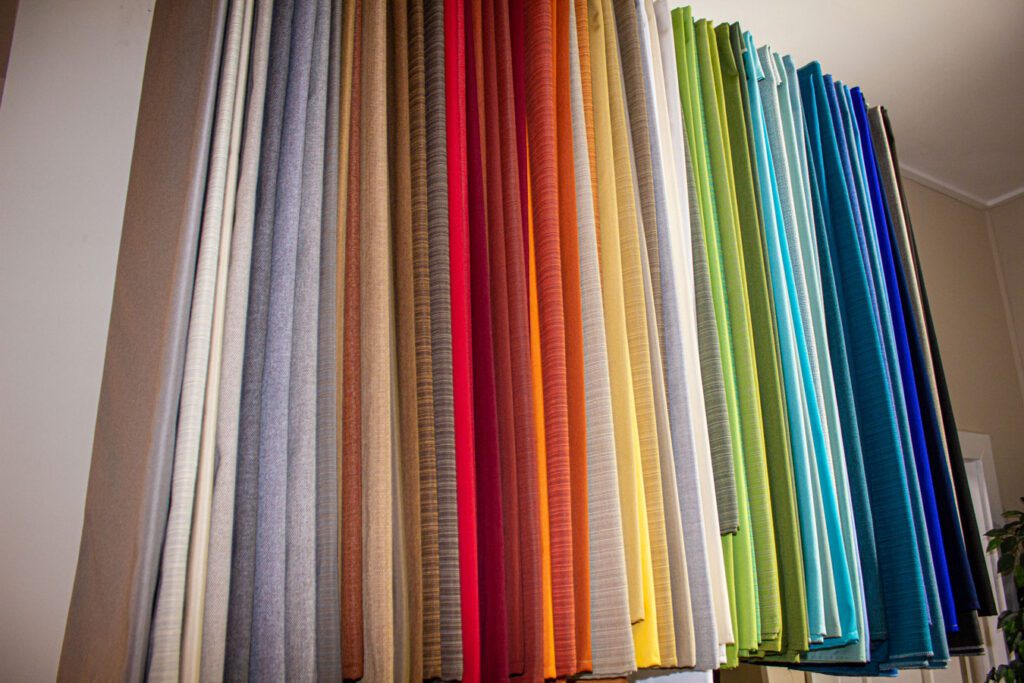
Sunbrella® is a solution-dyed acrylic fabric widely recognized for long-term outdoor fabric durability.
Key characteristics
- Color is embedded at the fiber level for superior fade resistance
- Designed to withstand prolonged sun exposure
- Resistant to mildew when properly maintained
- Soft, woven texture suitable for everyday seating
Pros
- Exceptional UV resistance
- Long service life in uncovered outdoor spaces
- Easy spot cleaning with mild soap and water
- Maintains appearance over multiple seasons
Considerations
- Higher upfront cost than standard polyester
- Firm cleaning guidelines must be followed to preserve performance
Sunbrella® is often selected for patios, poolside seating, and high-exposure environments where fabric longevity is a priority.
Polyester Outdoor Cushions: Affordable and Versatile
Polyester remains one of the most commonly used outdoor cushion fabrics due to its flexibility in color, pattern, and price point.
Key characteristics
- Synthetic fiber with surface-level dye
- Typically coated for water and stain resistance
- Softer feel compared to many performance fabrics
Pros
- Budget-friendly option
- Wide range of colors and patterns
- Suitable for covered patios and seasonal use
- Lightweight and comfortable
Considerations
- Lower fade resistance compared to solution-dyed fabrics
- May require more frequent replacement in direct sunlight
- Water resistance varies by construction quality
When comparing Sunbrella vs. polyester cushions, polyester is best for partially protected outdoor settings where cushions are stored or covered when not in use.
Olefin Outdoor Cushions: Balanced Performance and Value
Olefin is a synthetic fabric engineered for outdoor use, offering a balance between durability and cost.
Key characteristics
- Solution-dyed fibers similar to acrylic
- Naturally moisture-resistant
- Lightweight yet strong fiber structure
Pros
- Good fade resistance for the price
- Dries quickly after rain
- Resistant to mildew and staining
- Lower cost than premium acrylic fabrics
Considerations
- Slightly stiffer texture than acrylic
- Fewer design options compared to polyester
- Long-term UV resistance varies by manufacturer
Olefin outdoor cushions are commonly chosen for moderate-exposure environments where durability and value are equally important.
Which Fabric Is the Best Fabric for Outdoor Cushions?
There is no single best fabric for every situation. The right choice depends on the environment, usage, and care habits.
Best by use case
- Full sun exposure: Solution-dyed acrylic
- Covered patios: Polyester or olefin
- High humidity climates: Olefin or acrylic
- Low maintenance preference: Solution-dyed fabrics
Having trouble choosing the right fabric for your cushion? Please feel free to contact us for help!
Cushion Fabric Care and Maintenance
Proper care extends the life of all outdoor cushion fabrics.
General care guidelines
- Clean spills promptly with mild soap and water
- Allow cushions to dry completely before storage
- Avoid harsh chemicals or pressure washing
- Store cushions during extended off-season periods
Machine-sewn cushion covers with reinforced seams improve durability and maintain shape over time, especially with regular cleaning.
Why Fabric Choice Matters for Your Cushions
Fabric selection affects more than appearance. It determines how cushions age, how often they need to be replaced, and how they perform throughout the seasons.
What are the key takeaways?
- Weather-resistant cushion fabrics protect long-term investment
- Outdoor fabric durability reduces waste and replacement frequency
- Machine-sewn construction improves seam strength and fit
- American-made outdoor cushions support quality control and ethical manufacturing
At Cushions by Wicker Imports, we focus on professional craftsmanship, responsible sourcing, and materials designed for lasting outdoor performance.
Frequently Asked Questions About Outdoor Cushion Fabrics
The following frequently asked questions address common concerns about outdoor cushion fabrics, including durability, maintenance, and performance in different environments. These answers are designed to provide clear, factual guidance to help shoppers make informed fabric choices with confidence.
Solution-dyed acrylic and olefin fabrics offer the highest resistance to sun, moisture, and mildew when properly maintained.
Olefin is water-resistant, not waterproof. Cushions should be allowed to dry fully after exposure to rain.
Fabric lifespan varies by exposure and care. Solution-dyed fabrics often last longer than surface-dyed polyester fabrics.
Some cushion covers are machine-washable, but care instructions should always be followed to prevent shrinkage or damage to the coating.
American manufacturing standards often support consistent construction quality, reliable materials, and professional sewing techniques.